
Political Maneuvers and Strategic Alliances in Kenya
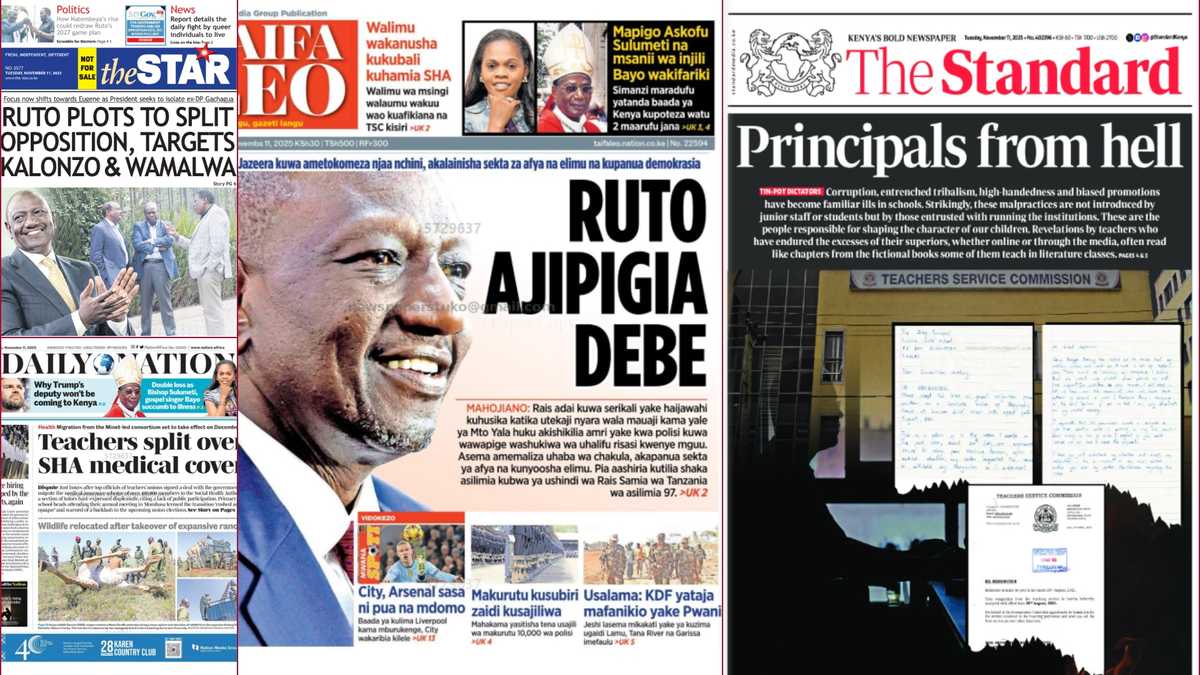
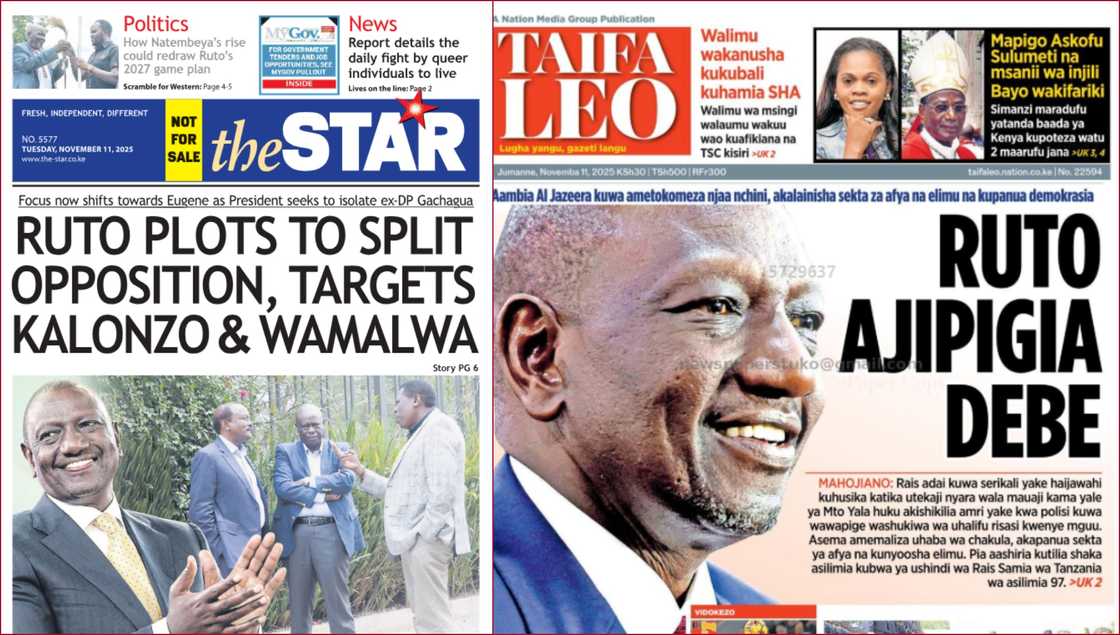
In the lead-up to the 2027 general election, Kenyan politics is witnessing a significant shift as President William Ruto explores new ways to strengthen his position. The focus has been on the United Opposition, with reports suggesting that the president is actively trying to undermine its unity by drawing key figures into his coalition.
Key Players and New Alliances
One of the primary targets of Ruto’s strategy is Kalonzo Musyoka, the leader of the Wiper Party. Despite several attempts by the president’s team to bring him into the fold, Musyoka has remained resistant. This rejection has led Ruto’s strategists to shift their attention towards Eugene Wamalwa, the former Defence Cabinet Secretary and leader of the Democratic Action Party (DAP-K). Wamalwa is seen as a potential bridge to the Luhya community and the Western region, areas where Ruto’s influence is growing.
Ruto already has two prominent Luhya leaders within his government: Prime Cabinet Secretary Musalia Mudavadi and National Assembly Speaker Moses Wetang’ula. Additionally, he has been working closely with ODM leaders, including Cooperatives CS Wycliffe Oparanya, to build a broad-based coalition.
Expanding the Coalition
The president’s team is reportedly looking to formalize alliances with various parties, including ODM and DAP-K. The goal is to weaken the opposition by isolating key figures like Rigathi Gachagua, who is expected to be a strong contender for the presidency. According to sources, Gachagua has agreed not to run for president, instead supporting a coalition led by Kalonzo Musyoka, with Trans Nzoia Governor George Natembeya as his running mate and Fred Matiangi as Prime Minister.
This arrangement has left Eugene Wamalwa feeling sidelined, particularly as he believes he should have a more prominent role, possibly even as deputy president, in any opposition coalition. His discomfort with the current dynamics has made him an attractive target for Ruto’s team, which aims to offer him a pivotal role in the Kenya Kwanza coalition.
A Strategy of Incentives and Influence
Ruto has publicly stated his intention to win the next election decisively, highlighting Raila Odinga as the only formidable opponent. His strategy also involves fostering local candidates such as popular governors, parliamentary aspirants, and Members of County Assemblies (MCAs) to run under parties associated with him.
This approach is particularly targeted at Central and Eastern regions, where Ruto’s team aims to secure at least 30% of the vote. Sources indicate that candidates who agree to support Ruto’s coalition will have their campaign costs covered, further incentivizing defections from the opposition.
Challenges and Uncertainties
Despite these efforts, the political landscape remains highly fragmented. The opposition, led by figures like Musyoka, Gachagua, Matiangi, and Natembeya, continues to work on consolidating power. However, Ruto’s strategic moves are designed to weaken this unity, particularly by targeting key players and creating divisions within the opposition.
As the 2027 election approaches, the battle for influence and control is intensifying. Whether Ruto’s strategy will succeed in fracturing the opposition and securing his re-election remains to be seen. The coming months will likely reveal more about the shifting tides of Kenyan politics.