
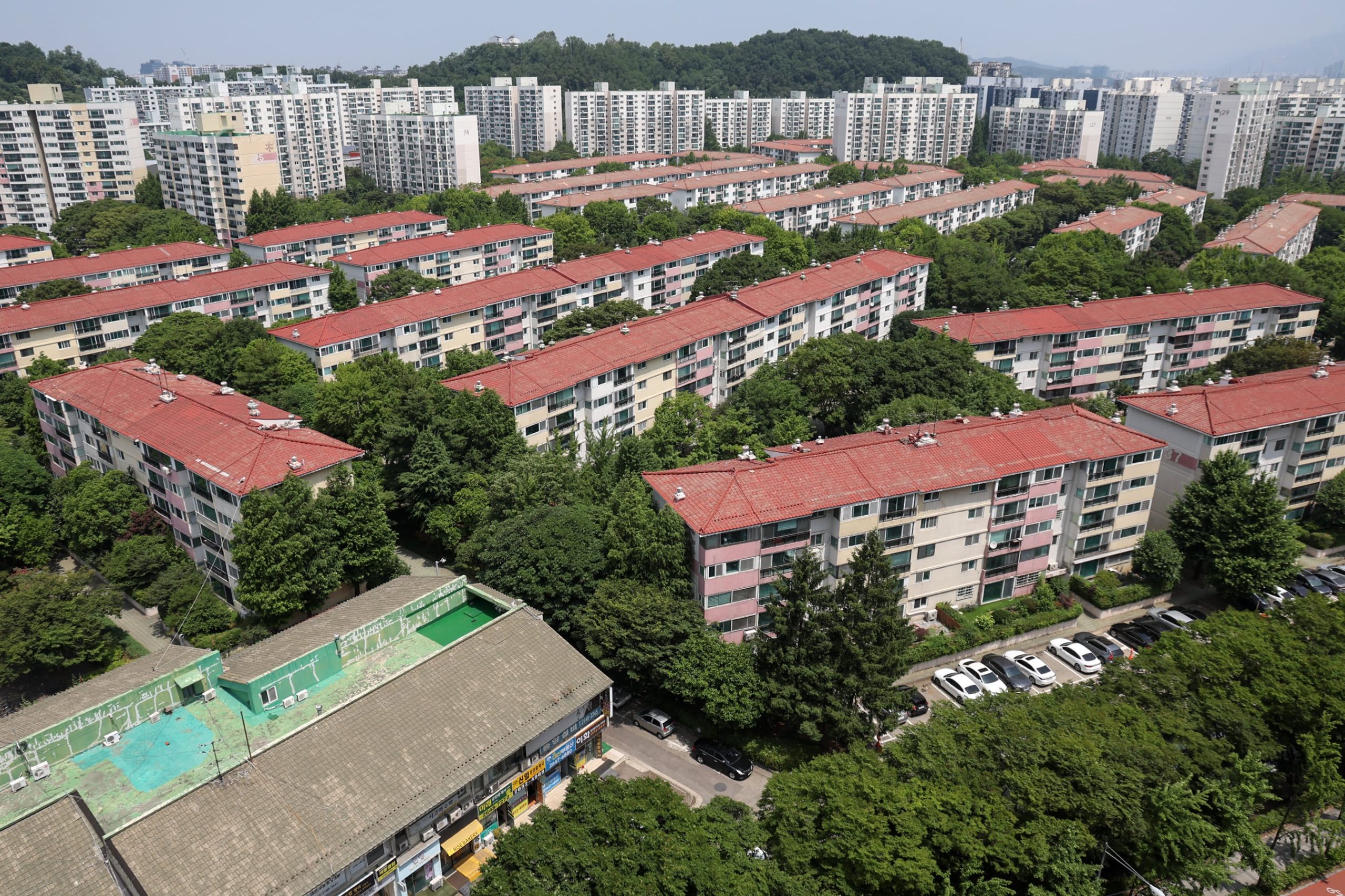
The Ongoing Confusion Over Real Estate Regulations
Three weeks have passed since the implementation of the October 15 real estate measures, yet confusion continues to grow among those involved in property transactions. The Ministry of Land, Infrastructure and Transport has not issued clear guidelines on the validity of sales agreements for reconstruction apartments, leaving many buyers and sellers in a state of uncertainty.
The central issue revolves around whether buyers who signed preliminary sales agreements before the regulation took effect and finalized contracts afterward can inherit the status of housing cooperative members and secure residency rights in new apartments. This uncertainty has led to widespread frustration and legal disputes.
Overlapping Regulations and Their Impact
The confusion stems from overlapping regulations that have created a complex landscape for property transactions. Areas such as Mok-dong and Yeouido, which were previously designated as land transaction permit zones, have seen a common practice where buyers first sign a sales agreement for reconstruction apartments, then obtain transaction approval from the district office, and finally finalize the contract. In these cases, the preliminary agreement served as a provisional contract.
However, this process has been disrupted by recent changes. When Seoul was designated a speculative overheating zone on the 16th of last month, it banned the transfer of cooperative member status in reconstruction apartments in principle. District offices granted transaction approvals as exceptions for those who had signed sales agreements before the 16th. This has led to further complications as the Ministry’s official “traffic regulation” remains delayed.
Case Studies and Real-Life Consequences
Lee, a salaried worker, signed a sales agreement to sell his Mok-dong apartment and put down a 100 million Korean won deposit for a Songpa-gu apartment in early last month. After the regulation announcement delayed the contract, the Songpa-gu seller sent a certified letter demanding the deposit be forfeited. Compounding the issue, the buyer of Lee’s Mok-dong apartment refused to sign the formal contract, citing fears of cash settlement without residency rights.
Similar cases are reported to exceed 50 in Yeouido and Mok-dong alone, with hundreds of households affected when considering linked transactions. A real estate agent in Yeouido stated, “Many have abandoned their livelihoods to plead with district offices and the government, but to no avail. They ask, ‘Why should we suffer when we did nothing illegal?’ and vent their frustration.”
Government Response and Future Outlook
A Ministry official responded, “We are reviewing relief measures, but finalizing the government’s stance will require more time.” This statement highlights the ongoing challenges faced by the ministry in addressing the concerns of affected parties.
The situation underscores the need for clearer communication and more timely guidance from regulatory bodies. As the real estate market continues to evolve, the lack of clarity in regulations is causing significant disruptions for individuals and families who are trying to navigate the complexities of property transactions.
Conclusion
The current confusion surrounding real estate regulations highlights the importance of transparency and timely policy updates. As the situation unfolds, it remains to be seen how the government will address the concerns of those affected. For now, many continue to wait for clarity, hoping for a resolution that will allow them to move forward without unnecessary hardship.