A Mother-of-Four’s Struggle with Chronic Jaw Pain
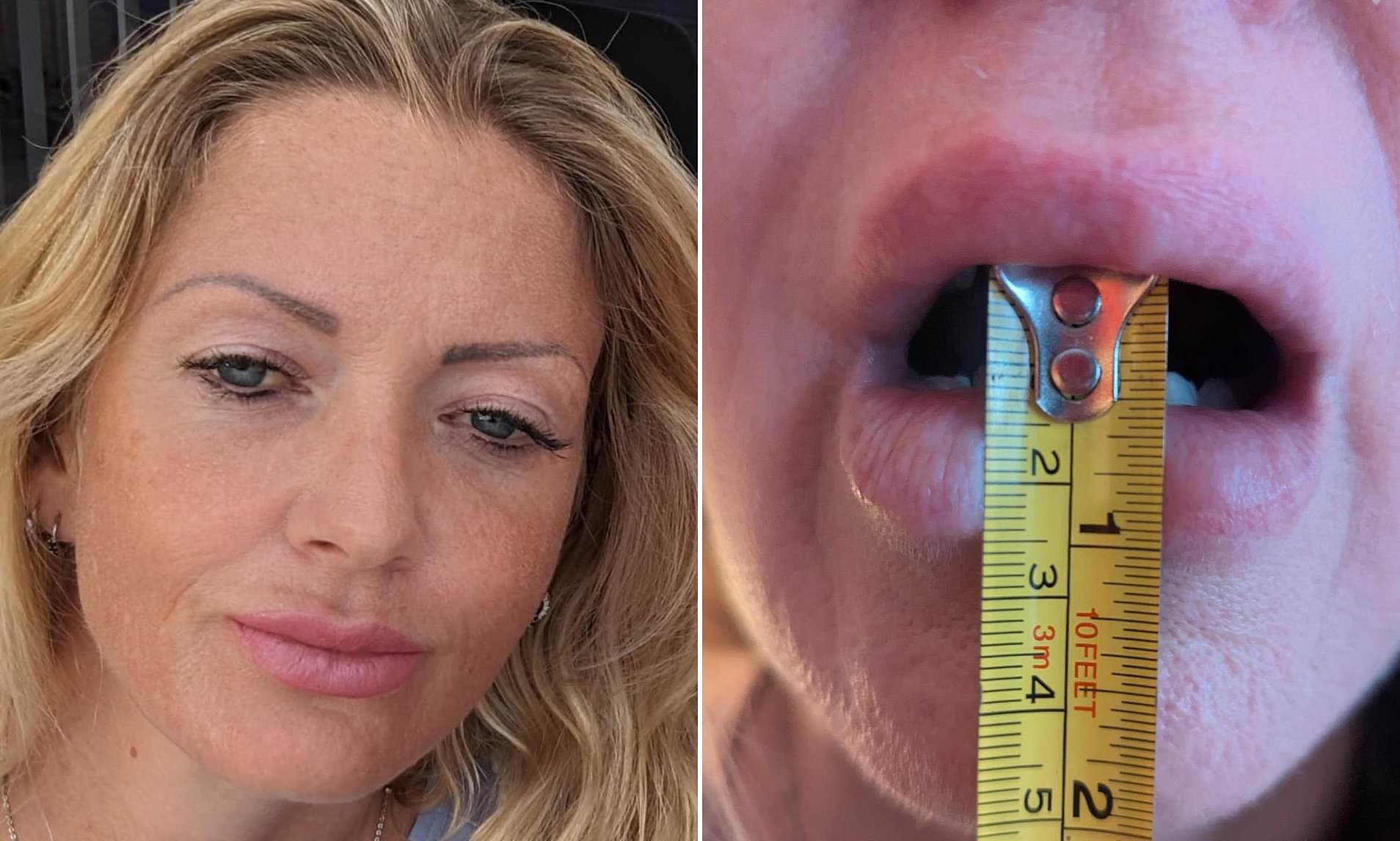
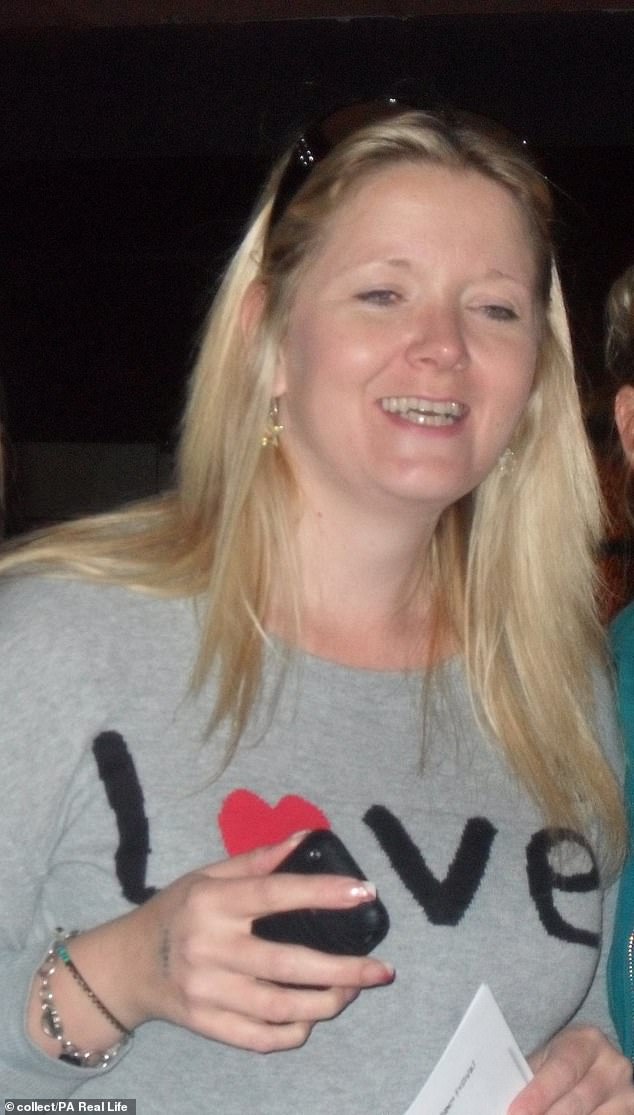
Naomi Smith, a 47-year-old mother of four from Gloucestershire, has been living with severe jaw pain for over two decades. The condition, caused by years of teeth grinding, has left her unable to open her mouth fully and in constant agony. Her face has become so distorted that she once received a comment from a nurse stating she looked like an end-stage cancer patient.
Smith first began experiencing jaw pain at the age of 18. Her dentist prescribed a mouthguard, but it offered no relief from the facial pain, migraines, and dizziness that caused her to vomit up to 30 times a day. She spent thousands of pounds on private treatments in an attempt to manage her symptoms, but nothing provided lasting relief.
After more than a decade of suffering, she was finally diagnosed with temporomandibular joint disorder (TMD) and severe arthritis in her jaw by doctors at Cheltenham General Hospital this year. TMD is a group of conditions that affect the jaw joint and surrounding muscles, causing pain that can radiate to the ears, temples, and across the face. It is estimated to affect around one in 15 adults in the UK, yet it is often overlooked or misdiagnosed due to its complex nature.
Because of the pain, Smith has had to survive on a liquid diet for years. When she first switched to this diet, she lost three stone in just a few months and developed a severe bowel blockage. She described the experience as feeling like she was deteriorating in front of a system that continued to ignore her.
The Impact on Daily Life
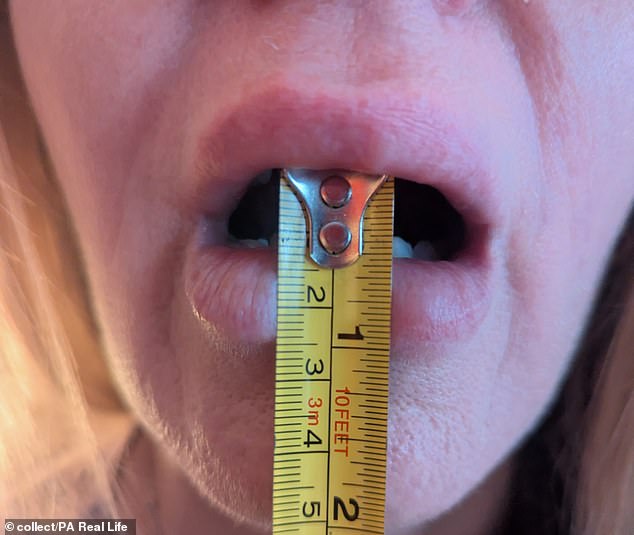
The physical and emotional toll of her condition has been immense. Smith has had to leave her job as a children’s mental health tutor because her jaw could only open 14mm—too small to even fit a 5p coin. This has left her feeling invisible and sad, as she struggles to contribute to society.
She now survives on just six nutritional shakes a day and takes a combination of tramadol, diazepam, and zopiclone to manage her pain, muscle tightness, and insomnia. By early afternoon, the left side of her face begins to droop, making it difficult to speak.
Despite being diagnosed with TMD, Smith faces a long waitlist for treatment on the NHS. She is considering undergoing a private bilateral jaw replacement, which involves replacing the joints between the lower jaw and the base of the skull with custom-made prosthetic joints. However, the cost of this surgery, along with travel and lost earnings, is a significant challenge.

Advocacy and Support
To help cover the costs, Smith’s partner, Darryl, has set up a GoFundMe page with a target of £95,000. At the time of publication, they had raised just £140.
A spokesperson from Gloucestershire Hospitals NHS Foundation Trust said: “We are very sorry to hear about the pain that Ms Smith continues to experience and the challenges in getting a diagnosis sooner. Ms Smith’s case is being taken seriously and we are supporting her to ensure she receives the best care possible. She continues to be supported by our senior consultants and there is a planned schedule of appointments with a number of specialty services before the end of the year.”


The Need for Awareness and Action
While there is rarely a single cause of TMD, with factors such as injury, arthritis, hormones, and stress playing a role, early lifestyle changes can provide relief for up to 95% of patients. However, for Smith, the journey has been long and painful.
Her story highlights the need for greater awareness and better support for those suffering from chronic conditions like TMD. As she continues to fight for relief, her case serves as a reminder of the importance of timely diagnosis and appropriate treatment.