
A Historic Legal Petition Sparks Debate on Language Rights and Courtroom Practices
A landmark legal petition has ignited a significant debate over language rights and courtroom procedures within Kenya’s judicial system. This case has brought to light several constitutional interpretations, the concept of digital justice delivery, and the evolving role of official languages in public institutions. The petition, which has been pending for years, was recently given a date for deliberation by a judge.
Nancy Odindo, a journalist with over four years of experience covering Kenyan politics, news, and features in both digital and print media, has reported on this development.
The Case Involving Kiswahili in Court Proceedings
A constitutional court judge has directed the parties involved to consult and agree on how to proceed with a petition. This petition was filed by a businessman who is seeking orders to compel the Judiciary to conduct court proceedings in Kiswahili. The case is notable as it invokes Article 7 of the Constitution of Kenya, which declares Kiswahili as both a national and an official language.
Why the Court Ordered Lawyers to Decide on the Use of Kiswahili
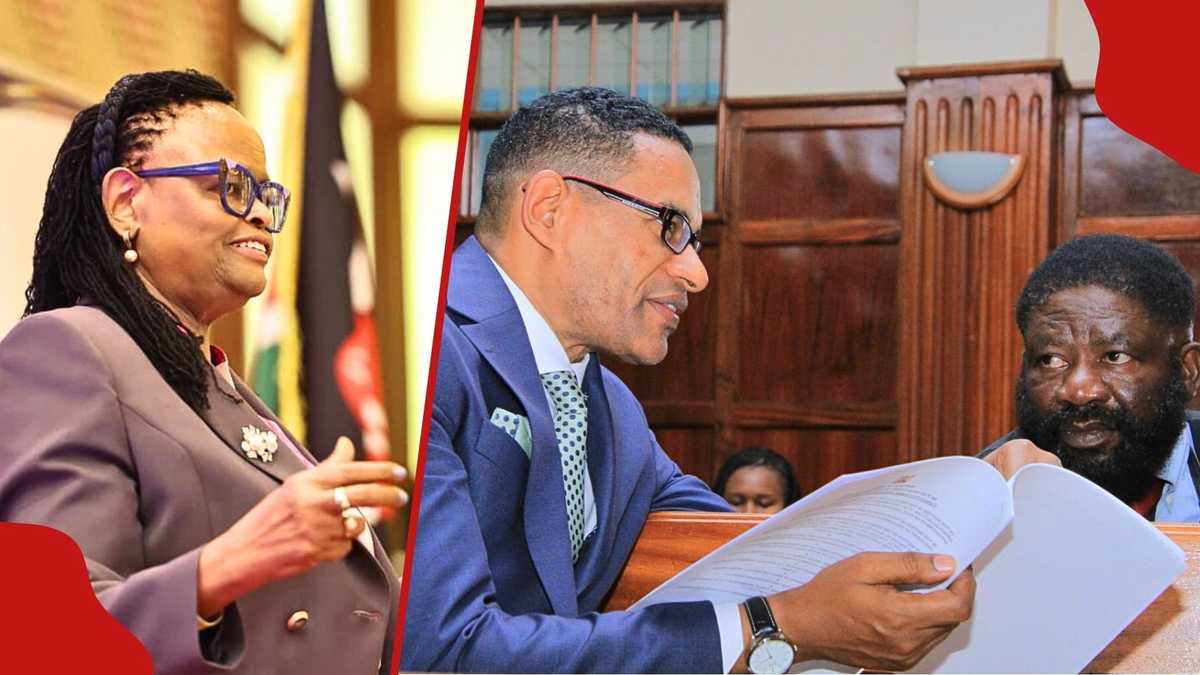
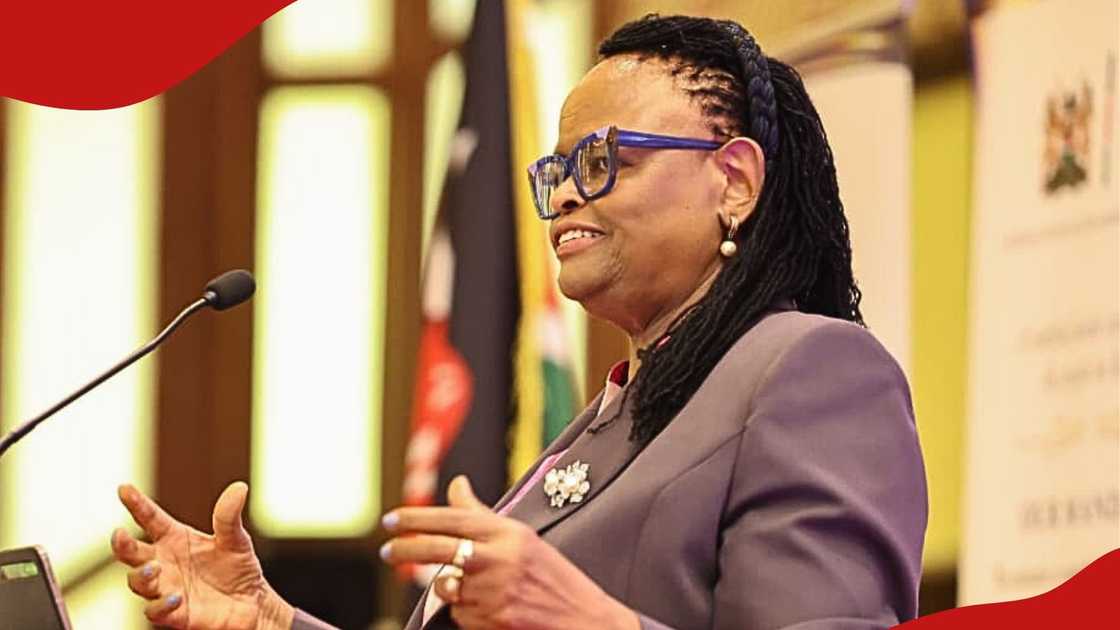
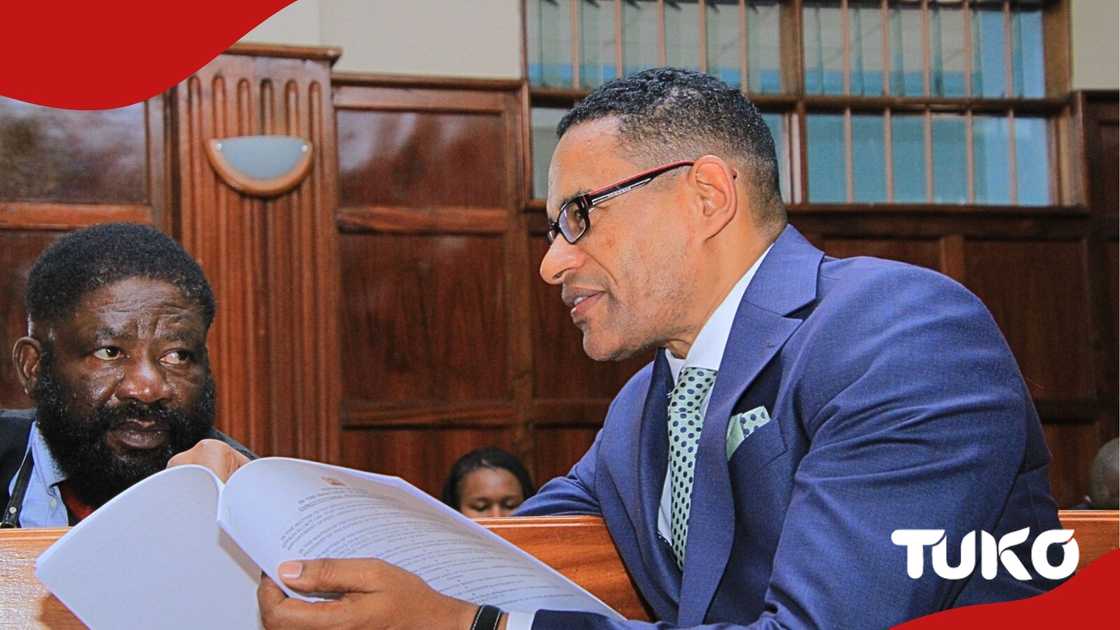
In this precedent-setting case, Joseph Aura, through his lawyer Harrison Kinyanjui, has accused Chief Justice Martha Koome and Attorney General Dorcas Oduor of failing to ensure that courts embrace the use of Kiswahili during proceedings, despite its constitutional status. During the latest court session, Kinyanjui made his submissions in Kiswahili, urging the court to hear the matter expeditiously.
This led to objections from lawyers representing the respondents, who claimed they could not understand Kiswahili. Kinyanjui submitted, “Hili jambo lilikuwa limeshughulikiwa na Jaji Hakimu Mugambi. Ningeomba kwa heshima kubwa Bwana Koome airishe hoja zingine ambazo yupo nazo mnamo Novemba tarehe 12. Naomba tuanze kwa heshima kubwa.”
Justice Bahati Mwamuye agreed with the petitioner’s counsel and emphasized the urgency of the matter. “There is no way I can take this to December. We need to get to the heart of it fairly quickly; this is a 2023 matter,” he stated.
The judge instructed all parties to deliberate on how the case should proceed, noting that some lawyers struggled to make submissions in Kiswahili and preferred to address the court in English, even though the petition was entirely drafted in Kiswahili.
“Sit down and discuss the way forward. Please discuss this amongst yourselves. I can’t stress this enough. For the language part, we will have to make an election. So that I avoid writing two judgments—one in Kiswahili and another in English. This country has two official languages, and that’s all I’m going to say. Please see how that will work. The court is constrained for time. The case is adjourned to November 12 for case management,” Justice Mwamuye added.
What Does Joseph Aura’s Petition Entail?
Aura has made history as the first Kenyan to file a 68-page petition fully drafted in Kiswahili. The petition challenges the Judiciary’s continued use of English in court proceedings, the digitisation of court processes via smartphones, and the prohibition of hard cash payments when filing matters.
The petitioner’s lawyer accused the Judiciary of abusing its monopoly in the delivery of justice and sidelining physical court proceedings, contrary to Article 50(2)(d) of the Constitution. “We want Rule 8 of the Supreme Court Rules of 2020 declared unconstitutional because it only recognises English as the language of the Court, yet Article 7(2) of the Constitution states that both English and Kiswahili are the official languages. Anyone filing a case in Kiswahili stands automatically barred from litigating before the Supreme Court,” Kinyanjui argued in court papers.
Aura contends that this reflects a lack of linguistic independence in the Judiciary, despite the 2010 Constitution affirming Kiswahili’s official status. He argues that this situation is emblematic of neocolonialism.
The petition also challenges the Judiciary’s shift to exclusively virtual proceedings, arguing that such a policy change was never approved by Kenyans. Aura claims that if digital platforms are the sole mode of delivering justice, then maintaining physical courthouses is unnecessary.
He further seeks to invalidate all practice directions on digital filing issued by the chief justice, arguing that they were never subjected to public participation and cannot replace rules that require parliamentary approval.
Additional Provisions in the Petition
In his amended petition, Aura also wants the court to bar the Law Society of Kenya from issuing practicing certificates to advocates who have not earned at least three Continuous Legal Education (CLE) points in Kiswahili, in addition to the three currently required in English. He argues that CLE in Kiswahili should be mandatory to ensure proficiency.
Aura has sued eight parties, including the attorney general, the chief justice, the National Assembly, the Law Society of Kenya (LSK), the National Council for Law Reporting, the Public Service Commission (PSC), and the Judicial Service Commission (JSC).
Additional reporting by Zipporah Weru, foot-care.co.ke correspondent.