
Understanding Tooth Discolouration and Its Impact
Tooth discolouration is a common issue that affects many people, often leading to psychological and social challenges. It can be caused by both external and internal factors. External stains come from food, drinks, and tobacco, while internal causes may include diseases, genetic conditions, medications, or damage to the enamel. This problem not only affects the appearance of teeth but also has a significant impact on an individual’s self-esteem and overall well-being.
In some regions, such as West Africa, studies have shown that tooth discolouration is a prevalent concern. For instance, a study conducted at Ibadan University found that out of every 100 patients, nine reported tooth discolouration. In Uganda, this area remains under-researched, with pain being a primary reason for seeking dental care. Patients often report discolouration as a sign or consequence of underlying dental issues.
The Importance of Tooth Colour
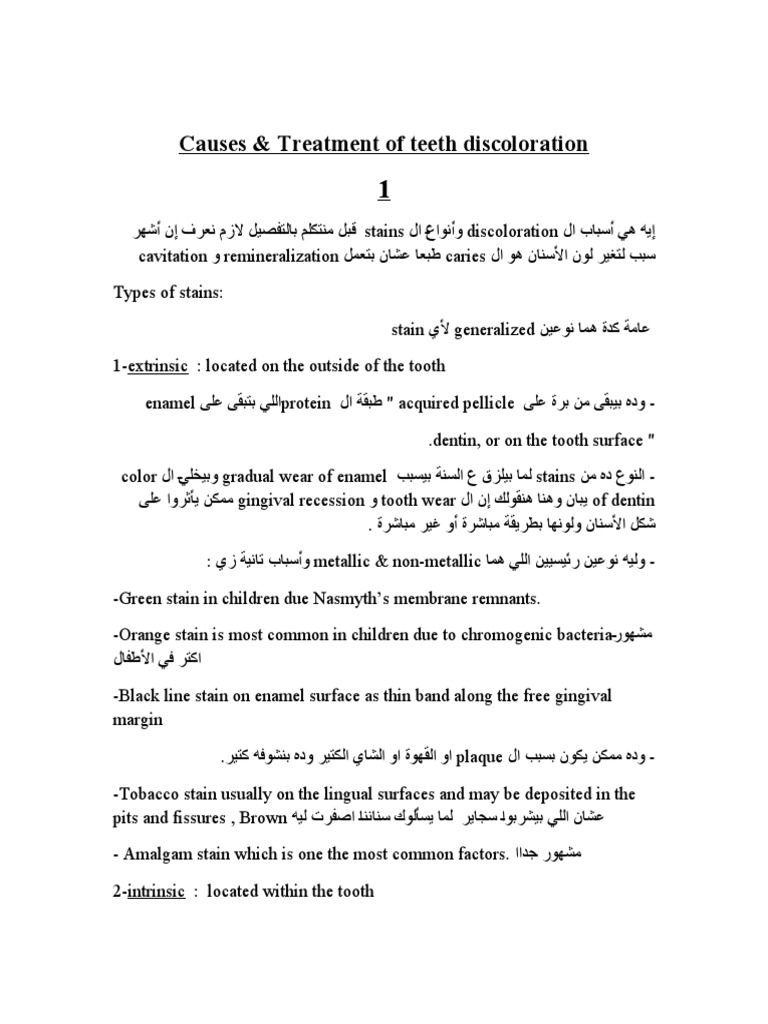
Tooth colour varies from greyish white to yellowish, and many people desire whiter teeth. This preference highlights the importance of tooth colour in determining satisfaction with one’s dental appearance. Most staining is extrinsic, meaning it originates from pigments in foods, beverages, habits, mouth rinses, or even occupational exposure. These substances can deposit on or react with the tooth surface, leading to visible discolouration.
Causes of Tooth Discolouration
There are various causes of tooth discolouration, and the severity and treatment options depend on the type of discolouration, frequency of exposure, age, and home care practices. Intrinsic discolouration occurs when chromogens are incorporated during tooth development due to metabolic, systemic, or genetic disorders or drug use. After the tooth erupts, discolouration can result from drugs, chemicals, or pulpal sources.
Dentists play a crucial role in understanding these types of discolouration and their mechanisms. They must be able to identify the cause and provide appropriate treatment while educating patients about the nature of the staining and how to prevent it.
Preventive Measures for Patients
As a patient, maintaining good oral hygiene is essential. Brushing teeth twice a day for at least two minutes with fluoride toothpaste and flossing daily can help reduce the risk of discolouration. Limiting the consumption of stain-causing foods and drinks, such as coffee, tea, red wine, and dark sodas, is also important. Rinsing the mouth with water after consuming these items can help minimize staining.
Additionally, it’s important to be cautious with acidic foods and drinks. Waiting about an hour before brushing after eating or drinking acidic items can prevent the acid from being pressed into the enamel, which can lead to further damage.
When to Consult a Dentist
A dentist can help identify the specific cause of discolouration and recommend suitable treatment options. For superficial stains, microabrasion may be an effective solution. Regular dental check-ups are essential for early detection and management of any potential issues.
Monitoring and Empowerment
Monitoring one’s dental health and taking proactive steps to maintain it can lead to better outcomes. By staying informed and working closely with dental professionals, individuals can address discolouration and other dental concerns effectively.