
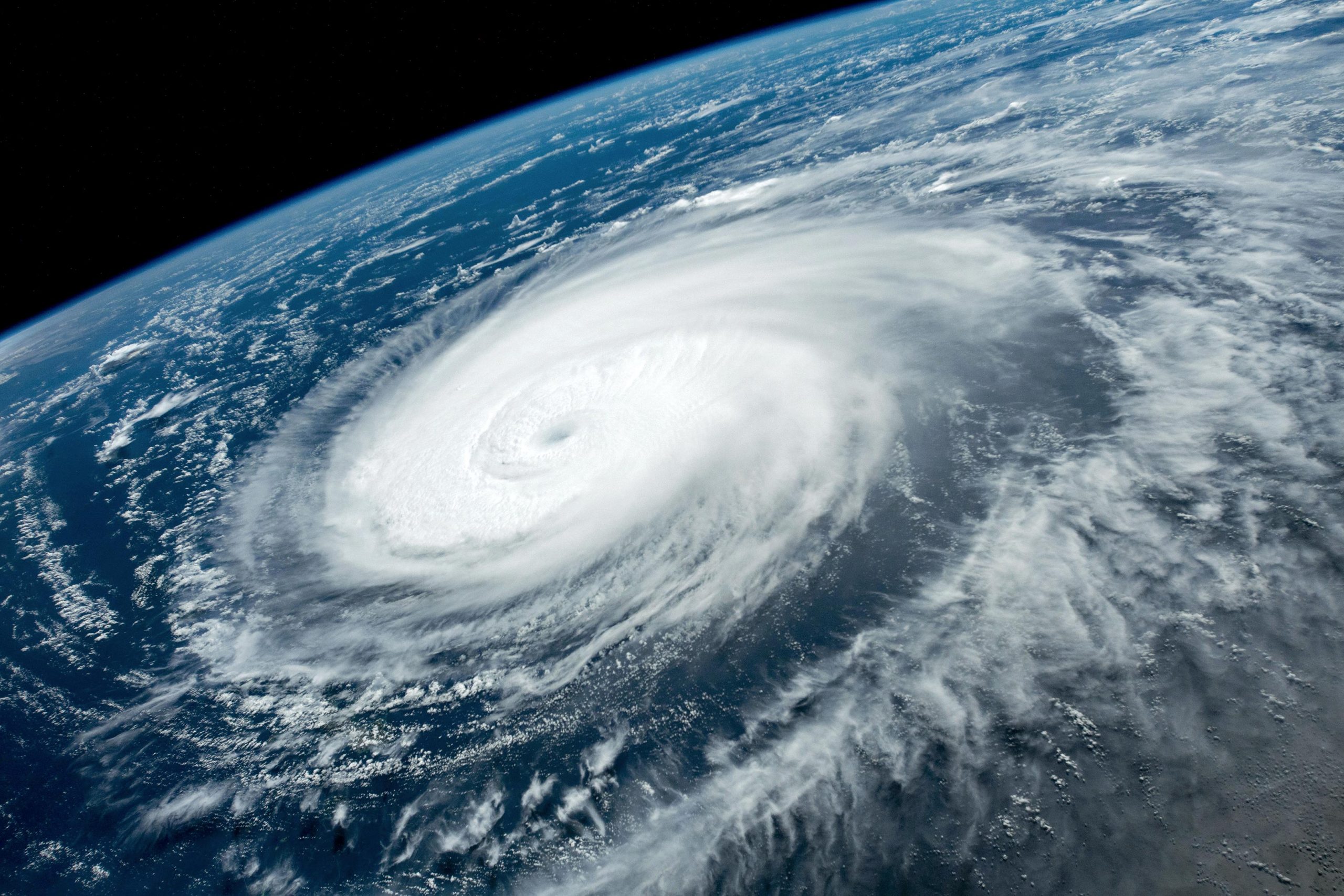
Impact of Typhoon Fung-wong on the Philippines
Typhoon Fung-wong, a powerful storm that originated in the northwestern Philippines, caused widespread destruction as it moved through the region. The typhoon led to severe flooding and landslides, resulting in at least four deaths and displacing over 1.4 million people. Entire provinces experienced power outages, and the storm’s impact was felt across various regions.
Fung-wong was expected to move northwest towards Taiwan, continuing its path of devastation. This came just days after another typhoon, Kalmaegi, had already left a trail of destruction in central provinces, claiming the lives of at least 224 people before moving on to Vietnam, where five more lives were lost.
The super typhoon made landfall in northeastern Aurora province on Sunday night with sustained winds reaching up to 185 kph (115 mph) and gusts as high as 230 kph (143 mph). As it moved through mountainous northern provinces and agricultural plains, the storm gradually weakened before exiting into the South China Sea from La Union province.
Casualties and Displacement
In the eastern province of Catanduanes, one person drowned in flash floods, while another died in Catbalogan city when her house collapsed. In Nueva Vizcaya, a landslide buried a hillside hut in Kayapa town, killing two children and injuring their parents and a sibling.
Over 1.4 million people evacuated to emergency shelters or the homes of relatives before the typhoon hit. About 318,000 remained in evacuation centers on Monday. Fierce winds and heavy rain flooded at least 132 villages, with some residents trapped on their roofs due to rapidly rising waters. Approximately 1,000 houses were damaged, and officials reported that roads blocked by landslides would be cleared as conditions improved.
Ongoing Threats and Response Efforts
Despite the typhoon passing, the Office of Civil Defense warned that the rains still posed a danger in certain areas, including metropolitan Manila. Rescue, relief, and disaster-response operations were planned for the following day.
Philippine President Ferdinand Marcos Jr. declared a state of emergency on Thursday due to the extensive damage caused by Kalmaegi and the anticipated effects of Fung-wong, known locally as Uwan. Super typhoons, defined as having sustained winds of 185 kph (115 mph) or higher, are classified in the Philippines to emphasize the urgency of extreme weather events.
Although the Philippines has not sought international assistance following the devastation from Kalmaegi, the United States and Japan have offered support. Authorities announced school and government office closures on Monday and Tuesday, with over 325 domestic and 61 international flights canceled. More than 6,600 commuters and cargo workers were stranded in ports after the coast guard prohibited ships from entering rough seas.
Vulnerability to Natural Disasters
The Philippines is frequently affected by about 20 typhoons and storms annually. The country also experiences frequent earthquakes and has over a dozen active volcanoes, making it one of the most disaster-prone regions globally.