
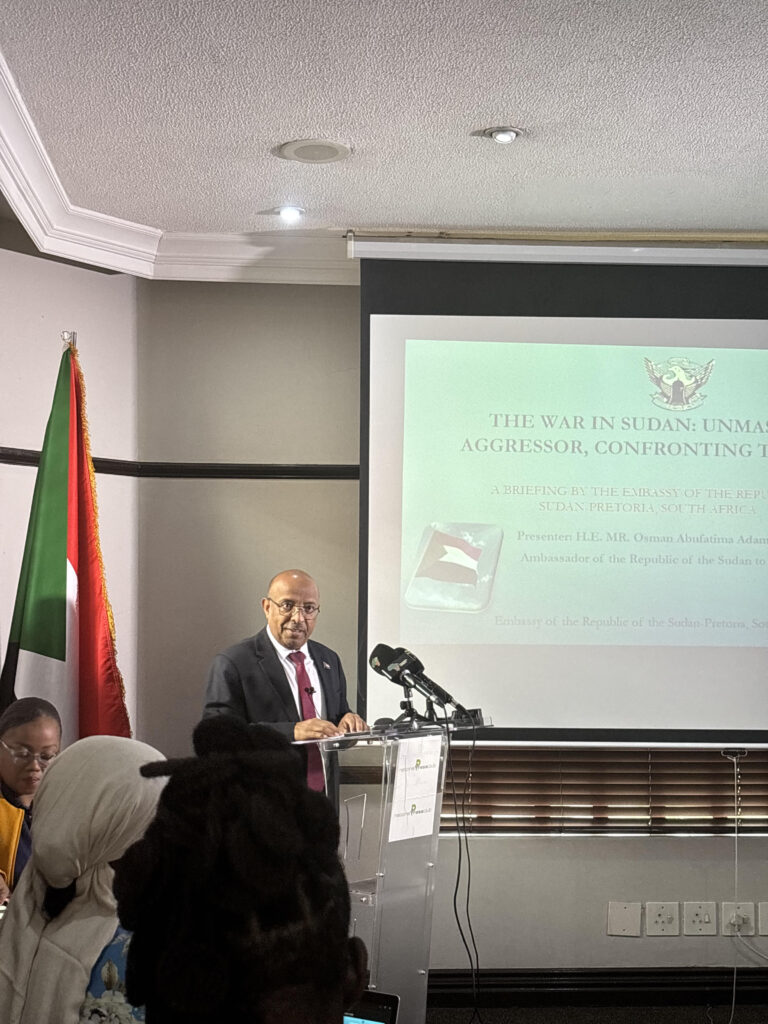
Sudan’s Delegation Withdraws from U.N. Tourism Organization General Assembly
On November 9, 2025, in Riyadh, Sudan’s delegation made a significant move by withdrawing from the U.N. Tourism Organization (UN Tourism) General Assembly. This action was a direct boycott of the vote to select a candidate from the United Arab Emirates (UAE) as the organization’s new Secretary-General. The decision marked a strong statement from Sudan regarding its stance on the selection process.
The General Assembly ultimately approved the UAE’s Shaikha Al Nuwais for the role of Secretary-General for the 2026–2029 term. This decision came after the Executive Council recommended her in Spain last May. However, the Sudanese delegation, led by Minister of Culture, Information, and Tourism Khalid Al-Aisar, left the second session during the vote, following the delivery of Sudan’s speech.
According to the Sudan News Agency (SUNA), the delegation withdrew to confirm Sudan’s position of rejecting the selection of a chief for the U.N. Tourism Organization from the UAE. In his speech, Al-Aisar highlighted the systematic destruction of the tourism sector’s infrastructure, which he attributed to the attacks by the RSF militia, supported by regional and external powers.
He stated that these countries have helped finance and fuel the war machine that has destroyed the capabilities of the Sudanese people and their country. Al-Aisar emphasized that Sudan is rich in tourist attractions, historical landmarks, ancient civilizations, and nature reserves.
Sudan claims it has evidence of the UAE’s continued supply of advanced weapons to the RSF and its provision of political cover. As a result, the UAE has been classified as an aggressor state by Sudan. Al-Aisar used this platform to deliver messages urging world countries to stand with Sudan and its people.
“We realize that this assembly is dedicated to the field of tourism, but we take the opportunity to call on member states and associates of the U.N. Tourism Organization to condemn the positions and practices that contribute to undermining stability and development in member states,” he said.
He also called on the international community to take a unified stance against countries and entities that support “outlaw” armed groups, to protect human heritage. This appeal highlights the broader implications of the conflict in Sudan and the need for global solidarity.
The General Assembly is being held under the theme: “AI-Powered Tourism: Redefining the Future.” This year’s session not only focuses on approving the budget and work program but also coincides with the 50th anniversary of the U.N. Tourism Organization.
Key Points from the Sudanese Delegation’s Speech
- Systematic Destruction: Al-Aisar pointed to the destruction of tourism infrastructure caused by the RSF militia.
- Support from External Powers: He accused regional and external powers of financing and supporting the RSF.
- Evidence Against UAE: Sudan claims to have evidence of the UAE supplying advanced weapons to the RSF.
- Call for International Action: The delegation urged the international community to condemn actions that undermine stability and development.
- Protection of Heritage: There was a strong emphasis on protecting human heritage from the effects of conflict.
The Role of the U.N. Tourism Organization
As the U.N. Tourism Organization marks its 50th anniversary, the event serves as a critical moment for reflection and future planning. The theme of AI-powered tourism underscores the potential for technology to transform the travel industry. However, the ongoing conflict in Sudan raises questions about the organization’s ability to address such issues effectively.
The withdrawal of the Sudanese delegation highlights the challenges faced by the organization in maintaining neutrality and addressing the concerns of all member states. It also emphasizes the need for a more inclusive approach to decision-making processes within the U.N. framework.
Conclusion
The events at the U.N. Tourism Organization General Assembly reflect the complex interplay between global politics and the tourism sector. Sudan’s withdrawal serves as a reminder of the ongoing conflicts and the need for international cooperation. As the organization moves forward, it must consider the diverse perspectives of its members to ensure that it remains a relevant and effective body in promoting sustainable tourism worldwide.