

Legal Battle Over Asylum Seekers at Bell Hotel Ends in Dismissal
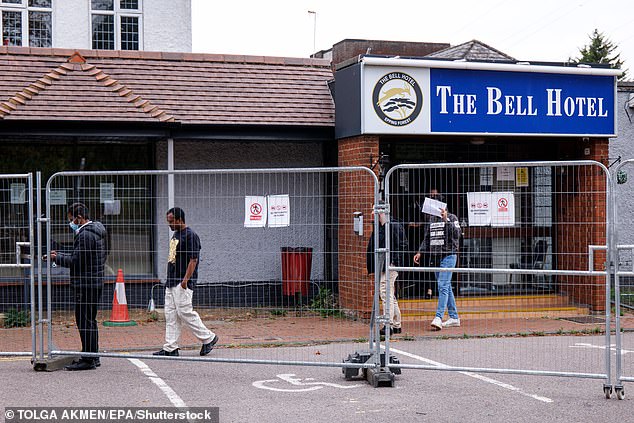
The legal battle over the housing of asylum seekers at the Bell Hotel in Epping has reached a significant turning point. The Epping Forest District Council (EFDC) attempted to secure a High Court injunction to prevent the hotel from continuing to house asylum seekers, but their efforts were ultimately dismissed by the court.
EFDC had taken legal action against Somani Hotels, the owner of the Bell Hotel, arguing that accommodating asylum seekers violates local planning rules. According to the council’s lawyers, the presence of asylum seekers constitutes a “material change of use” of the property and has led to “increasingly regular protests.” However, the Home Office intervened in the case, stating that the council’s request was “misconceived.”
In a recent ruling, Mr Justice Mould dismissed the claim, stating that it is “not a case in which it is just and convenient for this court to grant an injunction.” This decision marks a major setback for EFDC, which had previously been granted a temporary injunction earlier this year. That temporary order would have prevented 138 asylum seekers from staying at the hotel beyond September 12. However, this decision was later overturned by the Court of Appeal in August, which found the original ruling to be “seriously flawed in principle.”
Following the Court of Appeal’s decision, EFDC sought a permanent injunction through a three-day hearing last month. Despite their efforts, the court ruled against them, allowing the asylum seekers to remain at the Bell Hotel.
Protests and Public Outcry
Over the past few months, dozens of anti-migration protests have taken place outside the Bell Hotel, often met with counter-protesters. The situation escalated into violent demonstrations after a migrant housed at the hotel was accused of sexually assaulting two young girls in Epping shortly after arriving in Britain illegally. This incident sparked widespread outrage and further intensified the debate surrounding the accommodation of asylum seekers in the area.

Ongoing Debate and Uncertainty
The outcome of the court case has raised several critical questions about the future of asylum seeker housing in the UK. Will the Epping Forest District Council continue its legal battle against Somani Hotels? How will the government respond to the growing number of councils challenging the use of hotels for migrant accommodation?
The ruling has also fueled discussions about the broader implications for immigration policy. With councils across the country expressing concerns over the placement of asylum seekers in residential areas, the Epping case could set a precedent for similar disputes nationwide.
Key Questions Arising from the Ruling
- What impact will the court’s decision have on the housing of asylum seekers in other parts of the UK?
- How will the Home Office respond to the continued presence of asylum seekers at the Bell Hotel?
- Will the Epping ruling lead to more legal challenges from local councils against similar accommodations?
- What role will public opinion play in shaping future policies on asylum seeker housing?
As the debate continues, the situation in Epping highlights the complex interplay between local governance, national policy, and public sentiment. The outcome of this case may influence how authorities approach the issue of asylum seeker accommodation moving forward.