
Prosecution’s Decision to Abandon Appeal Sparks Political and Legal Backlash
The Seoul Central District Prosecutors’ Office has made a controversial decision not to appeal the sentences of several private businessmen involved in the “Daejang-dong development corruption” case. This move has drawn sharp criticism from political figures, legal experts, and the public, raising concerns about the independence and integrity of the prosecution.
On November 8, former People Power Party leader Han Dong-hoon took to social media to express his frustration with the prosecution’s decision. He accused the office of abandoning its duty, stating, “Those from the presidential office, Ministry of Justice, Supreme Prosecutors’ Office, and Seoul Central District Prosecutors’ Office who gave illegal orders should all go to prison.” He also criticized current prosecutors for their lack of accountability, asking, “Why should the public oppose abolishing a prosecution that, upon receiving power’s orders, abandons appeals like a dog?”
Han further emphasized the significance of the prosecution’s inaction, noting that the Daejang-dong case had seen some parts of the verdict being acquitted and sentences much lighter than what the prosecution had originally requested. He claimed that the prosecution should have “naturally” appealed, but instead chose not to. His message was clear: the decision was politically motivated.
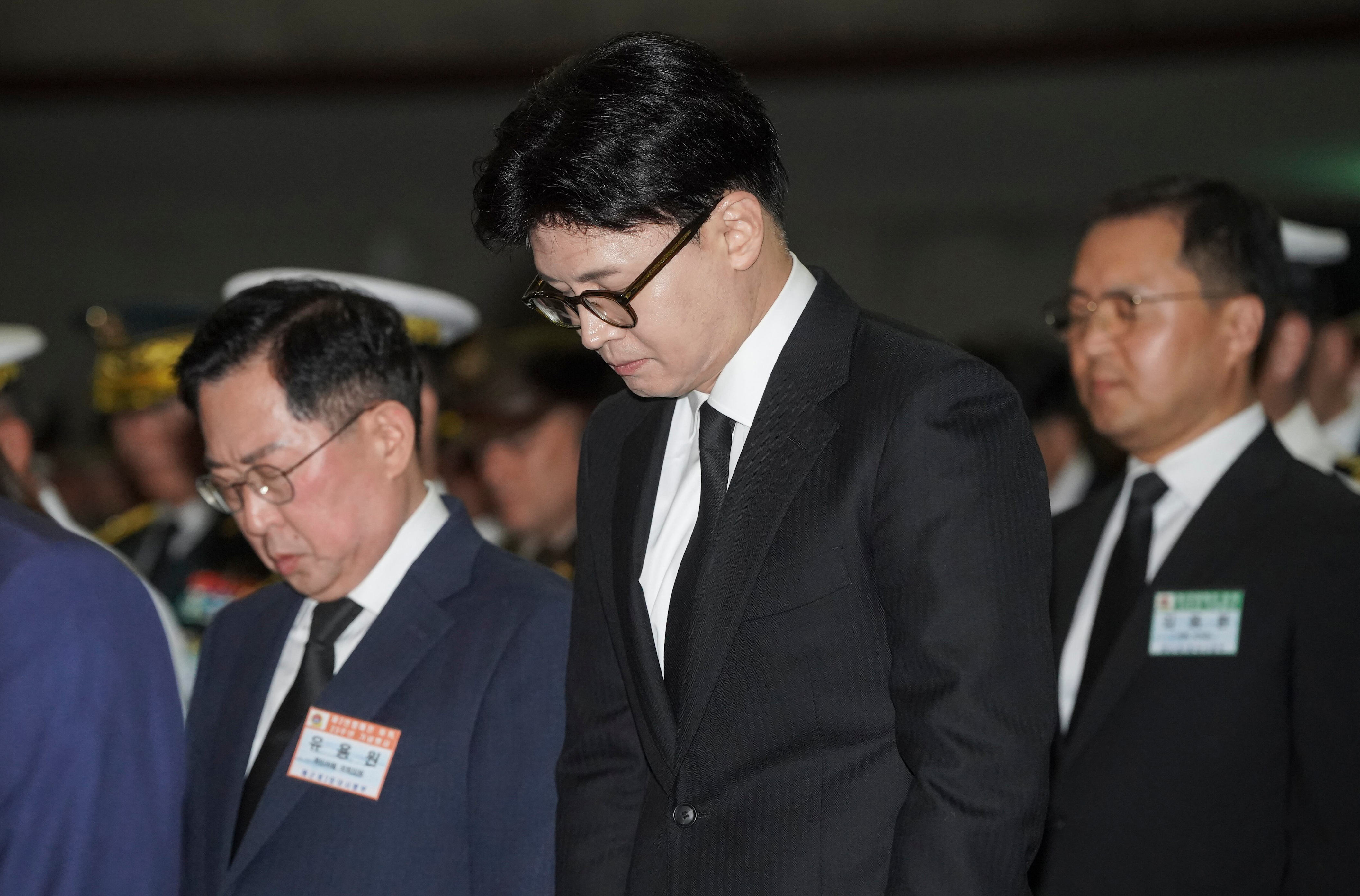
As the deadline for filing an appeal passed on November 7, Han posted a dramatic statement: “At 00:00 on November 8, the Korean prosecution committed suicide.” This metaphorical remark underscored the deep dissatisfaction among critics of the prosecution’s actions.
A prosecution official later confirmed that internal discussions led to the decision not to appeal the sentences of five members of the Daejang-dong group, including Kim Man-bae. In contrast, all five defendants immediately filed appeals after the first trial’s sentencing.
This decision has significant implications for the second trial. Since only the defendants are appealing, the court will not be able to impose harsher sentences than those given in the first trial. Critics worry that this could lead to a more favorable outcome for the accused.
Sentences and Public Reaction
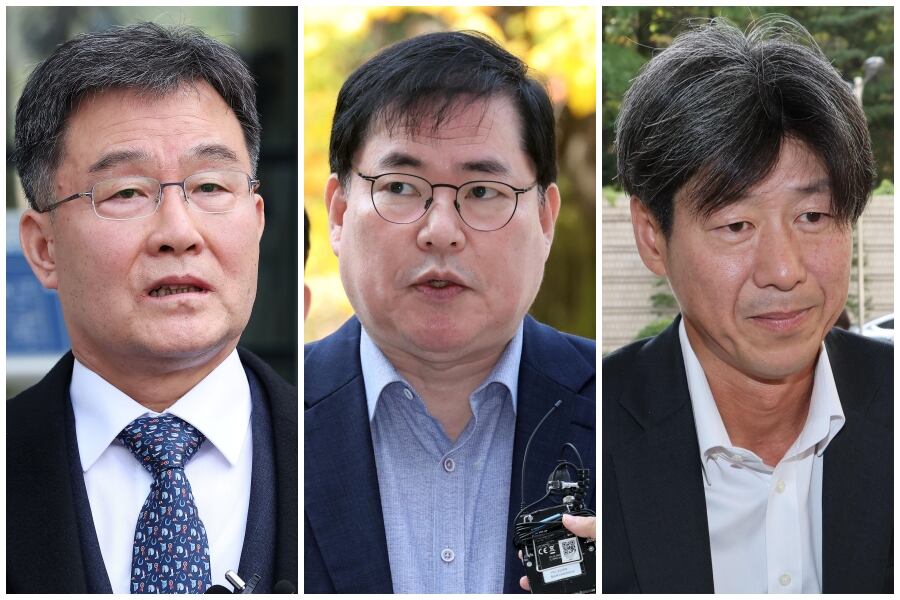
The Seoul Central District Court’s Criminal Division 22 (Judge Cho Hyeong-woo) sentenced key figures in the Daejang-dong development project to prison terms. Kim Man-bae, the major shareholder of Hwacheon Daeyu, received 8 years in prison. Yoo Dong-gyu, former head of Seongnam Urban Development Corporation, also received 8 years. Lawyer Nam Wook and accountant Jeong Young-hak were sentenced to 4 and 5 years, respectively, while lawyer Jeong Min-yong received 6 years. All were detained in court.
Earlier, the prosecution had sought significantly harsher penalties. In the final hearing in June, they demanded 12 years in prison and 611.2 billion won in restitution for Kim Man-bae, 10 years for Jeong Young-hak, 7 years for Nam Wook and Yoo Dong-gyu, and 5 years for Jeong Min-yong.
Legal circles have expressed strong disapproval of the prosecution’s decision. Many question whether political pressure or external influence played a role in the decision not to appeal. The acquittal of certain charges in the first trial has also raised concerns. For instance, the prosecution dismissed bribery charges against Kim Man-bae, who allegedly gave 500 million won to Yoo Dong-gyu and promised an additional 42.8 billion won. The court ruled that this was merely a distribution of jointly embezzled profits.
Internal Conflicts Within the Prosecution
Reports indicate that there were ongoing conflicts within the prosecution over whether to appeal. While the Seoul Central District Prosecutors’ Office’s investigation team supported an appeal, the Supreme Prosecutors’ Office and other command centers did not approve it. The decision to abandon the appeal was made just moments before the deadline expired, highlighting the tension and uncertainty surrounding the case.
The controversy surrounding the prosecution’s decision has sparked a broader debate about the role of the judiciary in political matters. As the second trial approaches, the public remains watchful, hoping for a fair and impartial resolution to the case.