Key Insights from the Seminar on China-Africa Cooperation
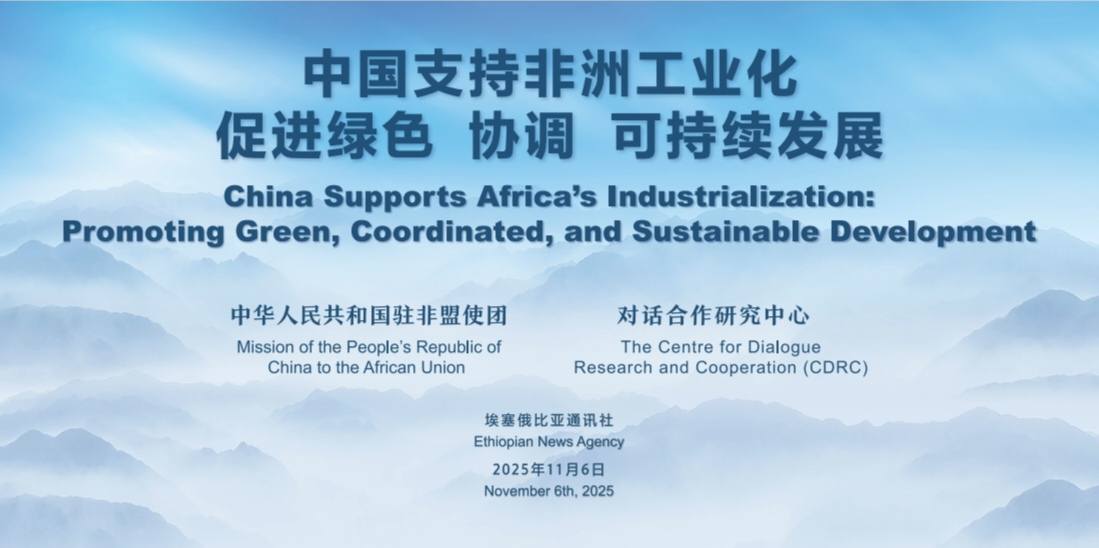
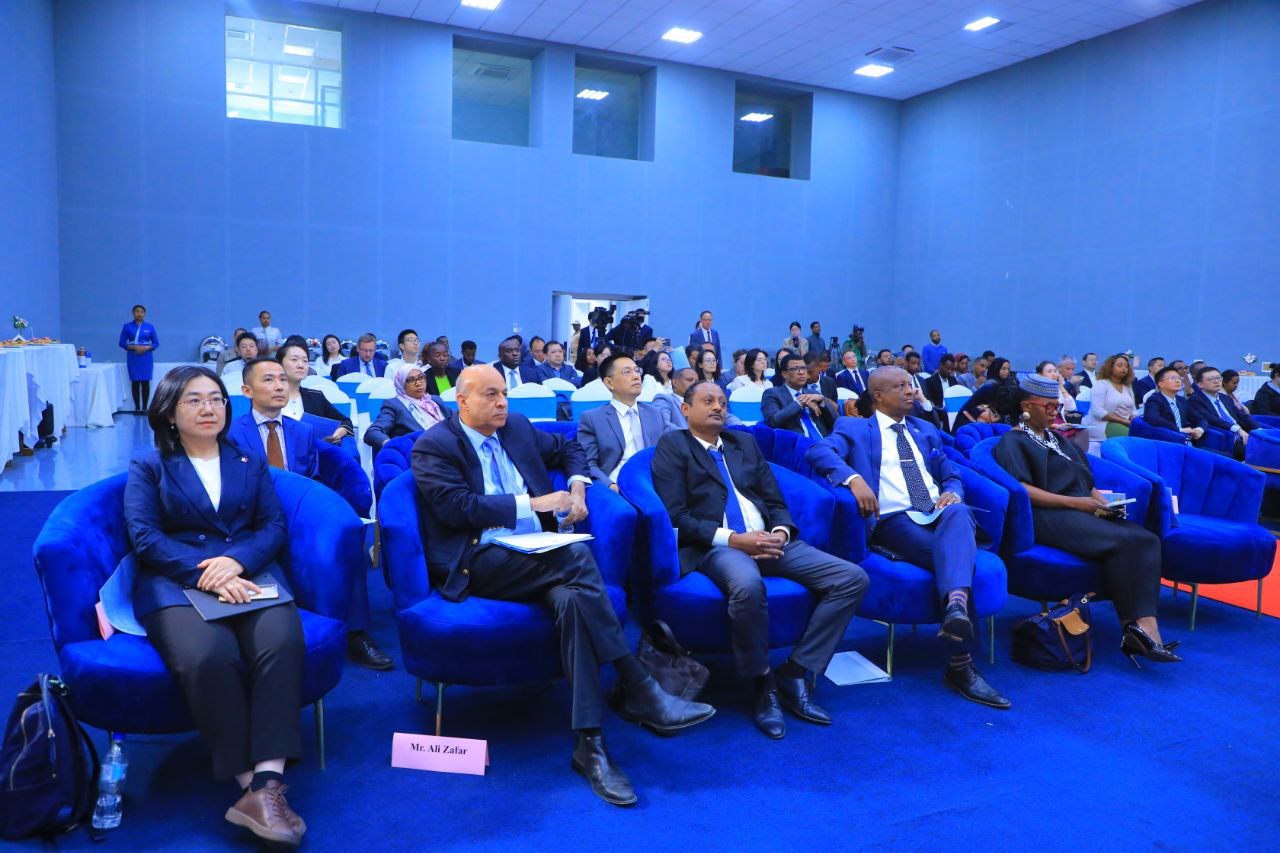
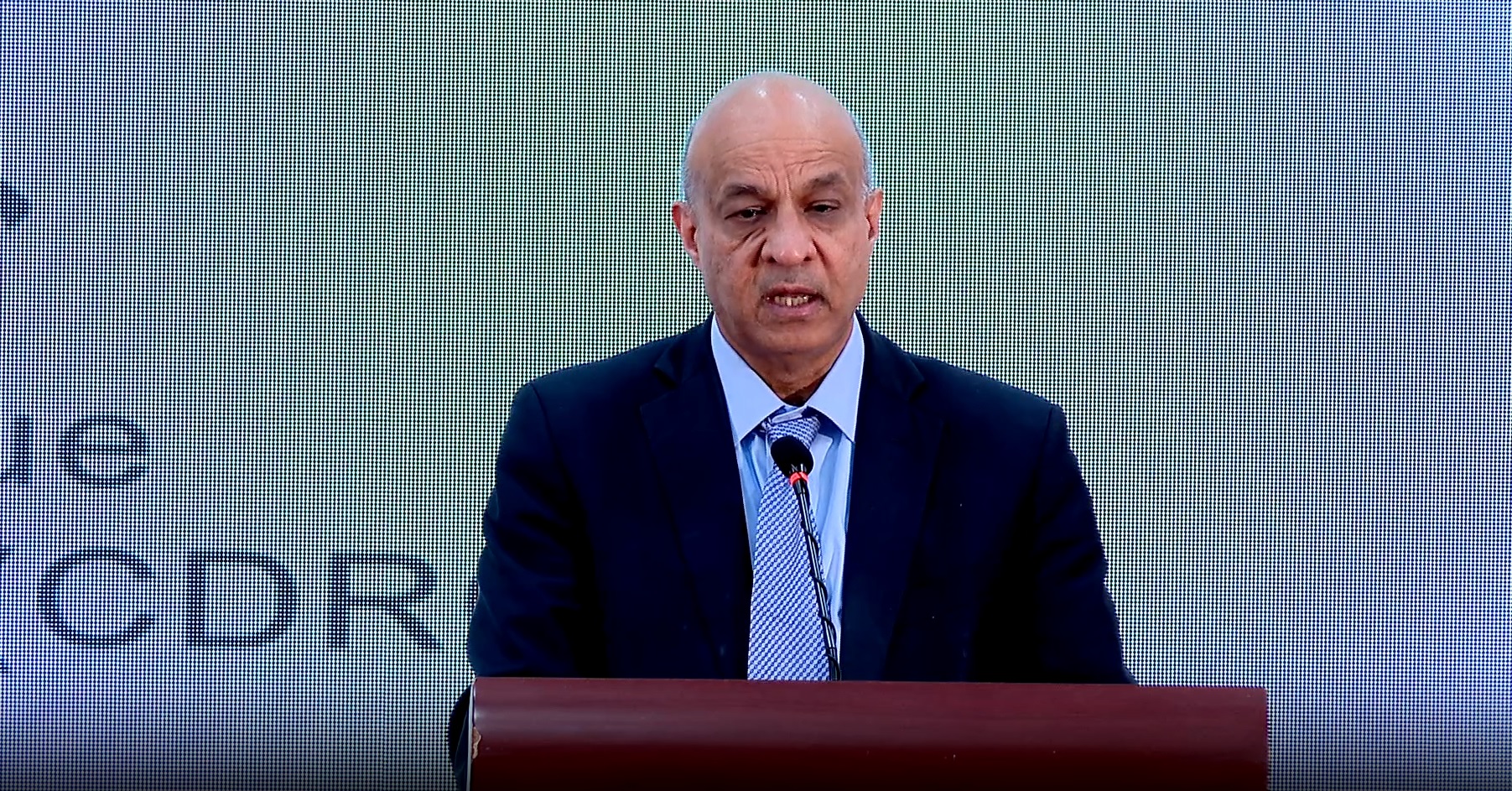
Addis Ababa, November 6, 2025 – At a recent seminar held at the Ethiopian News Agency, UNDP Ethiopia Economic Advisor, Ali Zafar emphasized the importance of collaboration between China and African nations to mobilize climate finance and promote digital and climate-smart innovations. The event, themed “China Supports Africa’s Industrialization: Promoting Green, Coordinated and Sustainable Development,” highlighted the urgent need for sustainable energy solutions across the continent.
Energy Access and Renewable Potential
Zafar pointed out that over 600 million Africans currently lack access to electricity, underscoring the critical need for innovative energy solutions. He noted that Ethiopia’s energy compact aims to achieve 75 percent electricity access and 57 percent clean cooking access by 2030, with a strong emphasis on renewable sources. This initiative positions Ethiopia as a leader in clean energy within Africa.
He expressed enthusiasm about the gathering, stating that the focus on China-Africa cooperation aligns with UNDP’s mission to accelerate a just energy transition across the continent. Zafar also highlighted China’s significant contributions to the global renewable energy landscape, noting that its investments in wind and solar technology have reduced costs over the past 15 years.
Trilateral Successes and Future Collaborations
Through trilateral cooperation with China, UNDP, and Ethiopia, notable successes have been achieved. These include the installation of a 45-kilowatt solar-powered irrigation system and a 300-cubic meter waste-to-energy biogas plant. Zafar emphasized that China’s extensive experience and ability to mobilize blended finance can support Africa’s industrialization and development, particularly in renewable energy projects.
He also stressed the importance of integrating the private sector into the energy transition, drawing parallels between China’s public-private partnerships and the potential for similar models in Africa. Zafar noted that the dynamism of Chinese entrepreneurship, supported by government initiatives, offers a blueprint for Africa’s energy strategies.
Industrialization and Prosperity
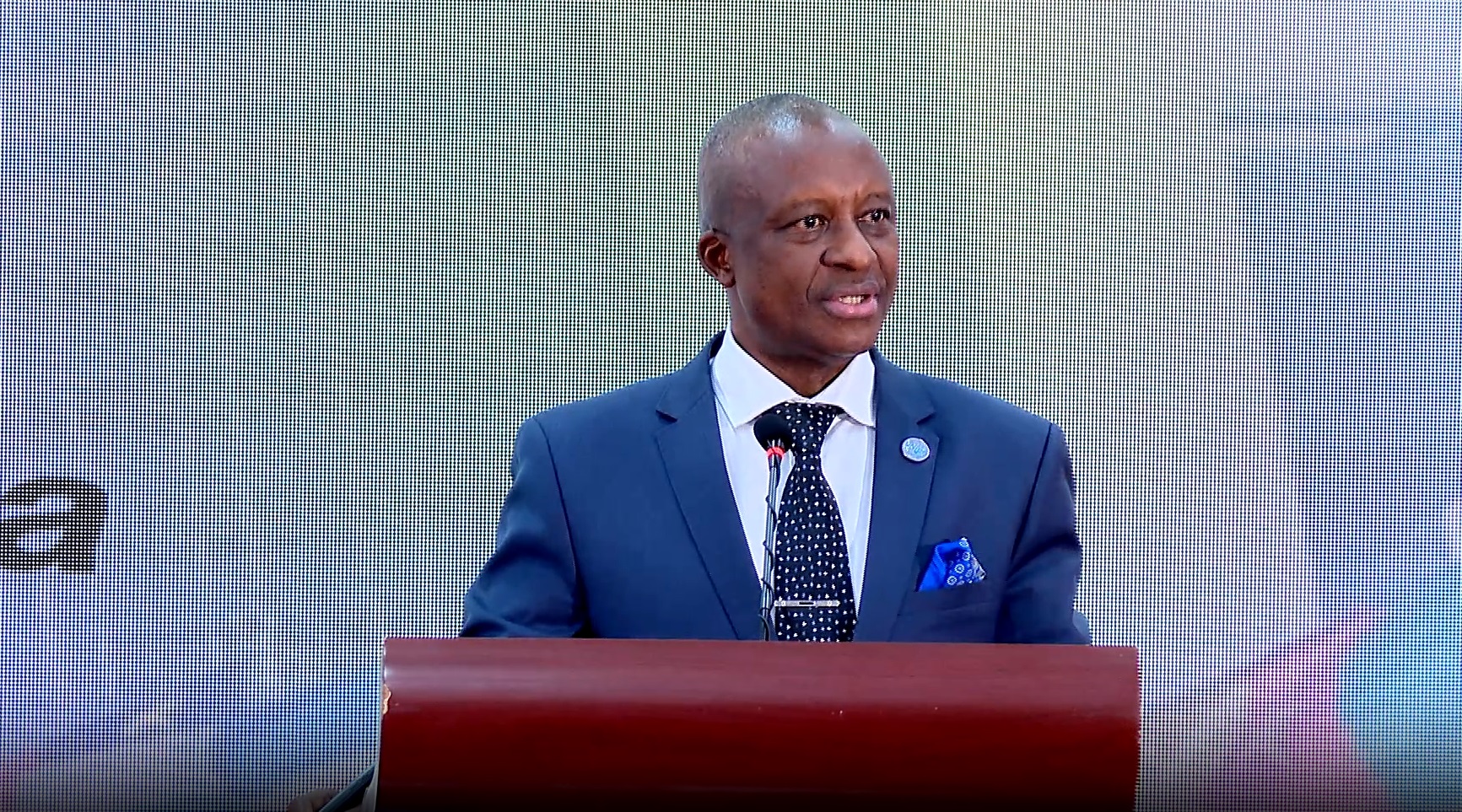
UNIDO Representative & Director, Sub Regional Office in Ethiopia, Stephen Bainous Kargbo, expressed his excitement about collaborating with China on industrial and energy initiatives. He emphasized the essential link between industrialization and prosperity, stating, “There is no single country in the world that has become prosperous without going through the path of industrialization.”
Kargbo drew parallels with China’s rapid transformation over the past four decades, highlighting how careful planning and execution have lifted over 800 million people out of poverty. He urged African nations to follow a similar path to achieve industrial growth.
Challenges and Solutions
Addressing the challenges faced by African nations, Kargbo outlined three major obstacles to industrialization: inadequate infrastructure, low manufacturing output, and limited innovation. He stressed the importance of continuous policy implementation for sustained development, urging African governments to avoid starting anew with each political transition.
Kargbo also noted the disparity in electrification rates between Africa and China, emphasizing that energy poverty remains a significant barrier to industrial advancement. He called for a broader conversation on energy solutions, including a transition from hydrocarbons to renewable sources.
Strategic Partnerships for the Future
He underscored the importance of collaboration between Africa and China, particularly in areas such as construction, mining, and manufacturing. Kargbo emphasized that strategic partnerships could pave the way for a prosperous future for the continent.
Urging African leaders to embrace a long-term vision for industrial development, Kargbo stressed the need for proactive measures and international cooperation to drive Africa towards a more industrialized and prosperous continent.