
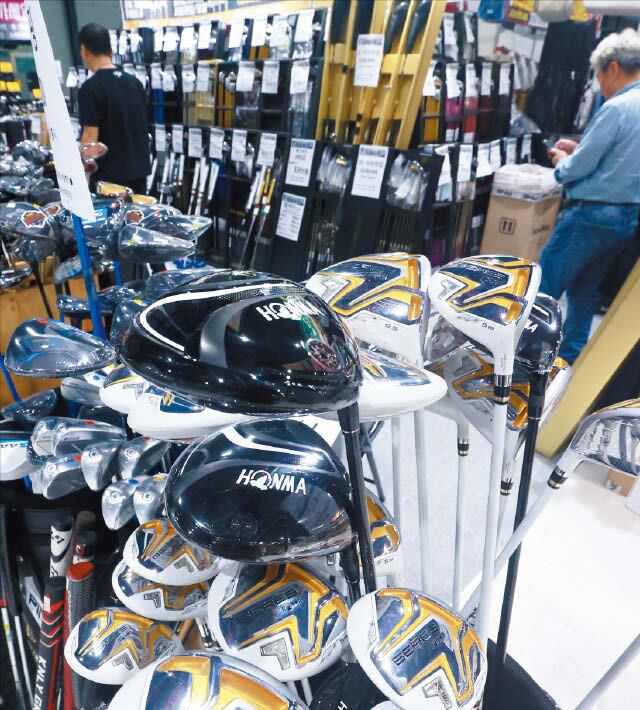
The Impact of Trump Tariffs on the Global Golf Equipment Market
The implementation of high tariffs by former U.S. President Donald Trump has had a significant impact on the global golf equipment market. These tariffs, aimed at protecting domestic industries, have led to increased costs for major golf equipment companies, resulting in financial challenges and potential price hikes for consumers.
Financial Challenges Faced by Major Companies
Topgolf Callaway, which operates well-known brands such as Callaway and Odyssey, reported a 13.4% decrease in operating profit in its core business areas during the third quarter (July–September). While sales increased by 4%, the decline in profits was attributed to rising costs, primarily due to the tariffs. The company incurred $12 million in tariff costs during the third quarter, with $8 million specifically related to the equipment sector. CEO Chip Brewer highlighted that the company expects to bear $40 million in tariff costs this year alone, marking a 60% increase from the initial forecast of around $25 million at the start of the year.
Acushnet, the owner of brands like Titleist and Scotty Cameron, also experienced the effects of the tariffs. During its earnings report, the company revealed that it incurred $10 million in tariff costs during the third quarter. Despite an increase in sales, the company’s gross profit margin fell by 0.5 percentage points to 48.5%. Acushnet anticipated spending a total of $30 million due to the tariffs by the end of the year, with projections indicating that this burden could rise to $70 million next year.
Production and Supply Chain Challenges
Global golf companies, including Topgolf Callaway and Acushnet, primarily produce raw materials and components for golf club heads, golf balls, shoes, and other products in China and Southeast Asia. The costs associated with importing these products into the U.S., along with the expenses of relocating production facilities and restructuring supply chains, are estimated to exceed tens of millions of dollars annually.
Potential Price Increases for Consumers
Analysts predict that the rising costs of golf equipment will likely be passed onto consumers. Companies have already announced plans to offset the “Trump tariffs” through business diversification, relocation of production bases, and “price adjustments.” According to Golf Digest, the U.S. saw the disappearance of the autumn equipment discount season in September, with club prices from companies like Callaway, Mizuno, and Srixon increasing by around $20 per club (approximately 7% for irons). There are also forecasts of price increases of around 20% overseas after next year.
Strategies to Mitigate Tariff Impacts
To mitigate the impacts of the tariffs, golf equipment companies are exploring various strategies. These include diversifying their business operations, relocating production facilities to countries with more favorable trade policies, and adjusting product prices to reflect the increased costs. By implementing these measures, companies aim to maintain their competitiveness in the market while managing the financial burden imposed by the tariffs.
Conclusion
The Trump tariffs have created a ripple effect across the global golf equipment market, leading to increased costs for manufacturers and potential price hikes for consumers. As companies continue to navigate these challenges, the long-term implications of these tariffs remain to be seen. The ability of golf equipment firms to adapt and innovate will be crucial in maintaining their market positions and meeting consumer demands.