
The Illegal Activities of a Real Estate Agent
A real estate agent has been arrested for engaging in various illegal activities, including the unauthorized cutting of 1,200 trees near Jeju’s designated cultural heritage sites. These actions were allegedly taken to increase land prices and facilitate logging by registering as a forestry successor.
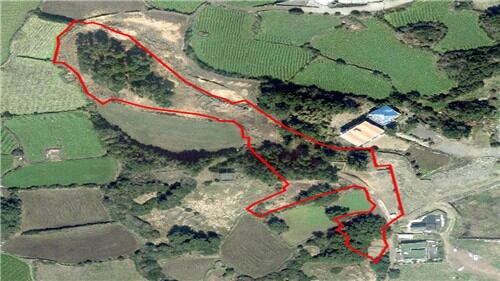
The Jeju Special Self-Governing Province Autonomous Police Agency announced on the 11th that they had arrested Mr. B, a real estate developer in his 60s, for damaging approximately 6,000 square meters of forest near A Yeondae, a designated cultural heritage site in Jeju, and illegally altering the characteristics of over 10,000 square meters of land within a historical and cultural environment preservation area.
Acquisition and Subdivision of Land
According to the investigation, Mr. B purchased a total of four plots of land (13,953 square meters) in 2023, including one forest area and three agricultural plots in Gujwa-eup, Jeju City, for 1.025 billion Korean won. He then subdivided the forest land to exclude it from development-restricted cultural heritage protection zones, public-purpose forest areas, and conservation forest zones.
This strategic subdivision allowed Mr. B to bypass regulations that would have restricted development on these lands. By doing so, he aimed to increase the value of the land and make it more attractive for potential buyers.
Unauthorized Tree Cutting and Land Alteration
To further increase the land value, Mr. B illegally cut down 1,200 native trees, including zelkova and pine trees, and used heavy machinery like excavators to alter the characteristics of over 10,000 square meters of agricultural and forest land. This action not only violated environmental laws but also disrupted the natural ecosystem in the area.
To smoothly proceed with the logging, Mr. B registered as a forestry successor and even completed the registration of an agricultural management entity by having an acquaintance farm the land. Although he sowed seeds on the land as if to cultivate medicinal herbs, no actual cultivation took place.
Artificial Inflation of Transaction Records
It was also confirmed that Mr. B sold his own forest land to a corporation of which he is the representative and artificially inflated transaction records by selling a portion of it (about 20 square meters) to his spouse at a high price of 3.3 million Korean won per square meter. This manipulation of transaction records was aimed at inflating the perceived value of the land.
Investigations also revealed that Mr. B attempted to sell 8,264 square meters, approximately 60% of the 13,953-square-meter land he purchased two years ago for 1.025 billion Korean won, for 5 billion Korean won. This significant increase in the sale price raised concerns about the legitimacy of the transactions.
Attempts to Create Confusion
During the investigation, it was also revealed that Mr. B tried to create confusion by coercing an excavator operator into making false statements and submitting false documents to the investigative authorities. This attempt to mislead the investigation highlights the extent of his illegal activities.
Legal Charges and Consequences
The autonomous police applied charges under the Act on the Aggravated Punishment of Specific Crimes (Forest) to Mr. B, as the area of forest he damaged exceeded 5,000 square meters. Charges under the Cultural Heritage Protection Act, the Mountainous Districts Management Act, and the Jeju Special Act were also applied.
Superintendent Hyeong Cheong-do of the Jeju Special Self-Governing Province Autonomous Police Agency’s Investigation Division stated, “The damaged forest is either impossible to restore to its original state or will take a significant amount of time to recover,” and added, “We will respond sternly, principally conducting arrests, against those who damage forests and the environment.”
Legal Implications
Meanwhile, according to the Act on the Aggravated Punishment of Specific Crimes, if the area of forest damage is 5,000 square meters or more, the punishment is imprisonment for at least two years and up to 20 years. This case serves as a reminder of the serious consequences of illegal environmental activities and the importance of protecting cultural heritage sites and natural resources.