
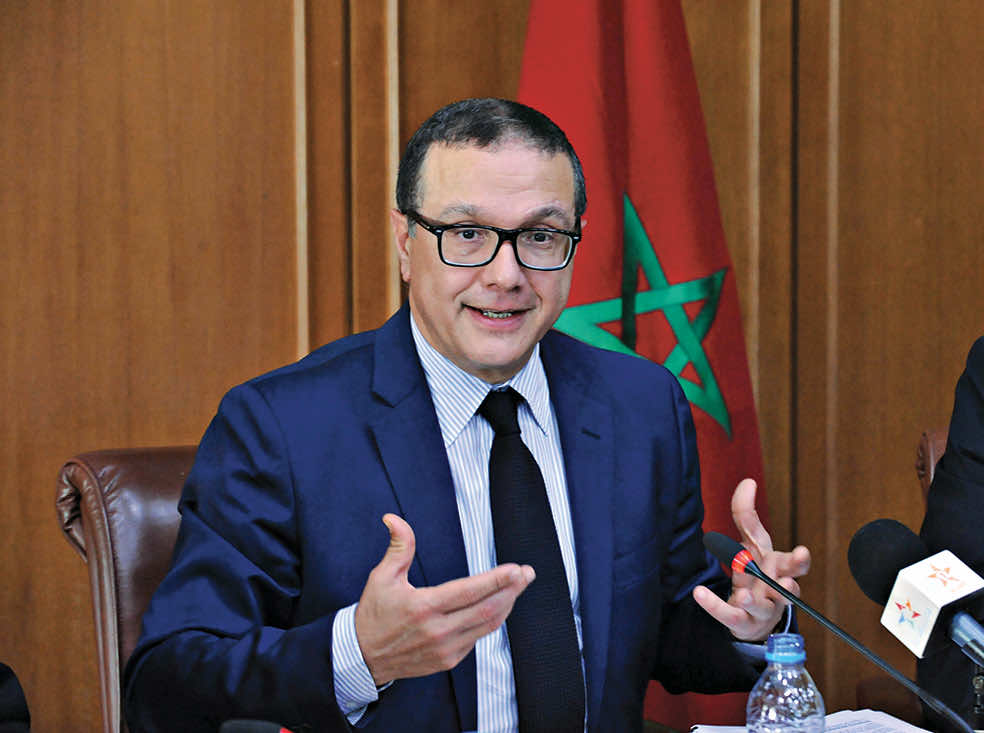
Moroccan Court of Accounts Reports Over 150,000 Asset Declarations
The Moroccan Court of Accounts has revealed that more than 150,000 public officials, elected representatives, and civil servants submitted mandatory asset declarations by the end of October 2025. This significant number reflects the implementation of financial transparency laws aimed at ensuring accountability and preventing corruption within the government sector.
During a presentation before the parliamentary Committee on Justice, Legislation, and Human Rights, the Court provided detailed information about the process. It stated that it received a total of 154,931 declarations from individuals who are required to disclose their financial status to the Court of Accounts and regional audit courts. These declarations serve as a crucial tool for monitoring the financial activities of public officials and verifying their adherence to anti-corruption measures.
Importance of Asset Declarations
Asset declarations play a vital role in maintaining transparency and trust in public institutions. By requiring officials to report their assets, the Court of Accounts can identify potential conflicts of interest and ensure that public resources are managed responsibly. This process also helps in detecting any irregularities or discrepancies in the financial records of those in positions of power.
The Court emphasized that the goal of this initiative is not only to monitor the financial status of public officials but also to promote a culture of integrity and responsibility within the government. The data collected from these declarations will be used to support ongoing efforts to combat corruption and improve governance in Morocco.
Expansion of Financial Oversight Capacity
In addition to the asset declaration process, the Court of Accounts highlighted the allocation of 60 new budget positions in the draft 2026 finance bill. These positions are intended to strengthen the oversight capacity of the financial courts. The institution stressed the importance of expanding administrative resources and investing in digital tools to enhance the tracking of declarations and the follow-up on cases of non-compliance.
The introduction of advanced digital systems will enable the Court to process and analyze the large volume of data more efficiently. This technological upgrade will also facilitate better communication with public officials and improve the overall transparency of the asset declaration process.
Challenges and Future Steps
Despite the progress made, the Court of Accounts acknowledges that challenges remain in ensuring full compliance with the asset declaration requirements. Some officials may still be unaware of their obligations or face difficulties in submitting their declarations. To address these issues, the Court plans to launch awareness campaigns and provide additional support to those who need assistance.
Furthermore, the Court is committed to continuously reviewing and updating its procedures to adapt to changing circumstances and emerging threats. This includes strengthening collaboration with other governmental agencies and international organizations to share best practices and enhance the effectiveness of anti-corruption initiatives.
Conclusion
The successful completion of the asset declaration process by over 150,000 Moroccan officials marks a significant milestone in the country’s efforts to promote transparency and accountability. With the allocation of new resources and the implementation of digital tools, the Court of Accounts is well-positioned to continue its important work in safeguarding public interests and combating corruption.
As the process moves forward, the focus will remain on ensuring that all public officials fulfill their obligations and that the system remains robust and effective. The ongoing commitment of the Court of Accounts to transparency and integrity will play a crucial role in building a more accountable and trustworthy government for the people of Morocco.