
Geopolitical Choices for EU Aspirants
Countries seeking to join the European Union must make a clear geopolitical decision and choose their side before becoming part of the bloc, according to EU Enlargement Commissioner Marta Kos. This statement came during an exclusive interview with Euronews after she presented her annual review on the enlargement process.
The comments follow the European Commission’s recent update on the progress of candidates such as Ukraine, Moldova, and countries in the Western Balkans. Since the Russian invasion of Ukraine, the EU has reinvigorated its stalled enlargement efforts, highlighting the broader geopolitical competition for influence in the region.
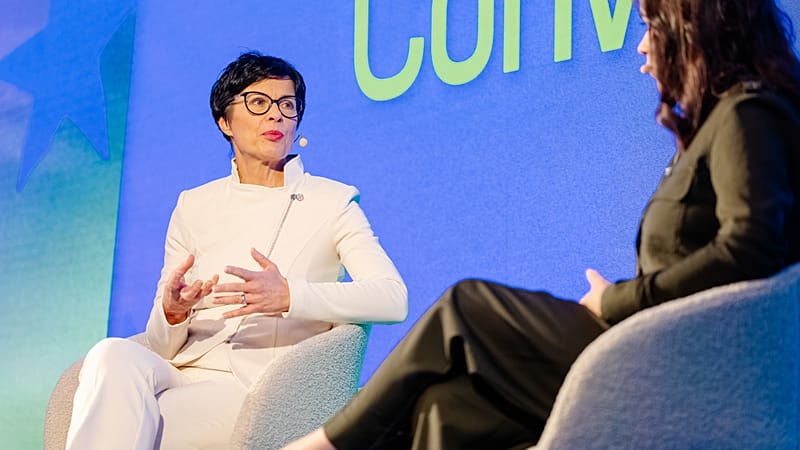
“We could see Europe united for the first time under the same home, but that also means making choices,” Kos said during the Euronews Enlargement Summit in Brussels. She emphasized that any country turning to Russia or failing to apply sanctions would not be tolerated by the EU.
While the EU aims to expand, it remains firm on the conditions for new members. These conditions include shared views on key issues to prevent a recurrence of the Hungarian experience. Hungary, under Prime Minister Viktor Orbán, has deviated from the European consensus and adopted an aggressive veto policy on joint policies.
Strengthening Safeguards for New Members
To avoid similar situations, the Commission is exploring stronger safeguards for new members regarding the rule of law. Kos stated that it is a concern for member states and European citizens that candidate countries fulfill their promises once they become members.
When asked about the possibility of two-tier membership, where new members might have limited voting rights during a probation period, Kos expressed strong opposition. “I’m strictly against that. We cannot have second-class citizens,” she said.
Kos also called on member states to provide political support beyond technical work to overcome the impasse caused by Orbán’s veto on Ukraine. This veto has prevented the opening of cluster negotiations, a necessary step, and affected Moldova as well.
Progress and Challenges in Enlargement
In the report, the Commission highlighted Montenegro as the leading candidate for joining the EU, alongside Albania. It also commended Moldova’s efforts and urged Ukraine to continue its reform agenda, particularly in combating corruption.
The Commission noted that Kyiv has made significant progress despite the extraordinary circumstances of war. On Serbia, the report pointed out backsliding on the rule of law and criticized the excessive use of police force to suppress protests. The government of Serbian President Aleksandar Vučić has faced widespread protests following the collapse of a railway station roof that killed 16 people.
Kos stated that Vučić’s foreign policy, including relations with Russia and sanctions, contradicts the EU’s agenda. “The judiciary is very much under the influence of the President. Nothing happens when it comes to the EU and enlargement without the President,” she said. She also mentioned backsliding on media freedom, academic freedom, and the right to protest.
Despite these challenges, Kos expressed a commitment to engaging with Serbian authorities and extending “my hand to the people of Serbia because we want Serbia in the EU, a democratic Serbia.”
Assessment of Georgia’s Candidacy
The Commission delivered a severe assessment of Georgia’s candidacy, describing it as a candidate country “in name only.” This follows a tumultuous parliamentary election in 2024 and a disputed result by the opposition against the ruling Georgian Dream party.
“The situation has sharply deteriorated, with serious democratic backsliding marked by a rapid erosion of the rule of law and severe restrictions on fundamental rights,” the report stated. This assessment highlights the ongoing challenges Georgia faces in meeting the EU’s standards for membership.