North Korea’s cinematic production’72 Hours’has drawn attention as a significant cultural and political statement. The film, released last year to commemorate the Korean War, is centered around the 72-hour period in which North Korean forces captured Seoul following their southern invasion. The title is reportedly linked to North Korean leader Kim Jong-un, who played a key role in its development.
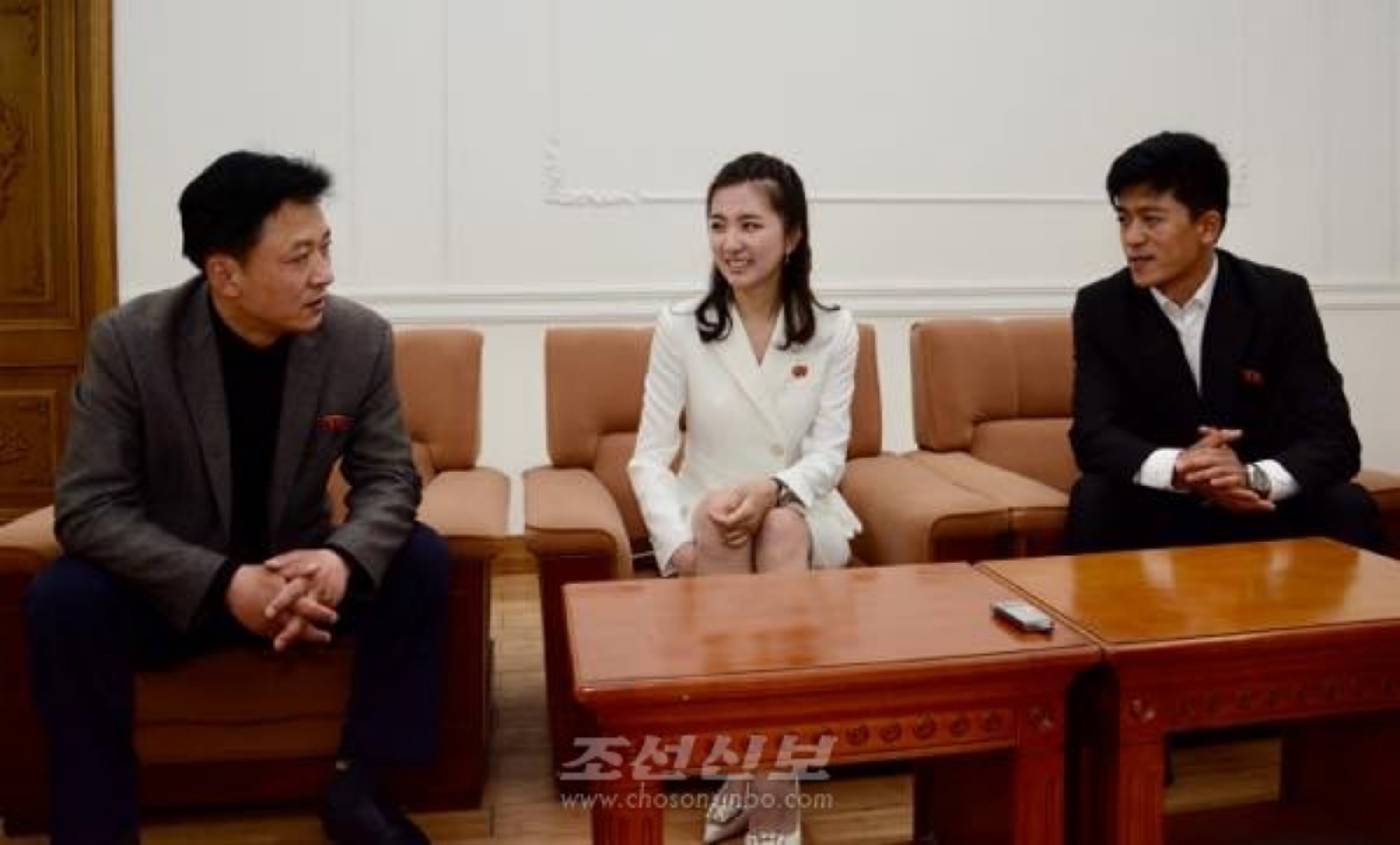
Choson Sinbo, the official publication of the General Association of Korean Residents in Japan, covered the film extensively. Two articles published on the 3rd and 5th of the month highlighted behind-the-scenes stories and interviews with the lead actors. The media described the film as a “masterpiece of the era,” crediting its success to Kim Jong-un’s direct involvement. According to reports, the leader personally named the film and contributed to the scriptwriting process.
The film was launched nationwide on February 16, coinciding with the birthday of former North Korean leader Kim Jong-il, known as “Light’s Day” in the country. It also made appearances on state television, Joseon Central TV, in January and July of last year. On September 26, Russian Ambassador to North Korea Alexandr Matsegora watched the film at the Daedongmun Cinema in Pyongyang, invited by the North Korean Foreign Ministry.
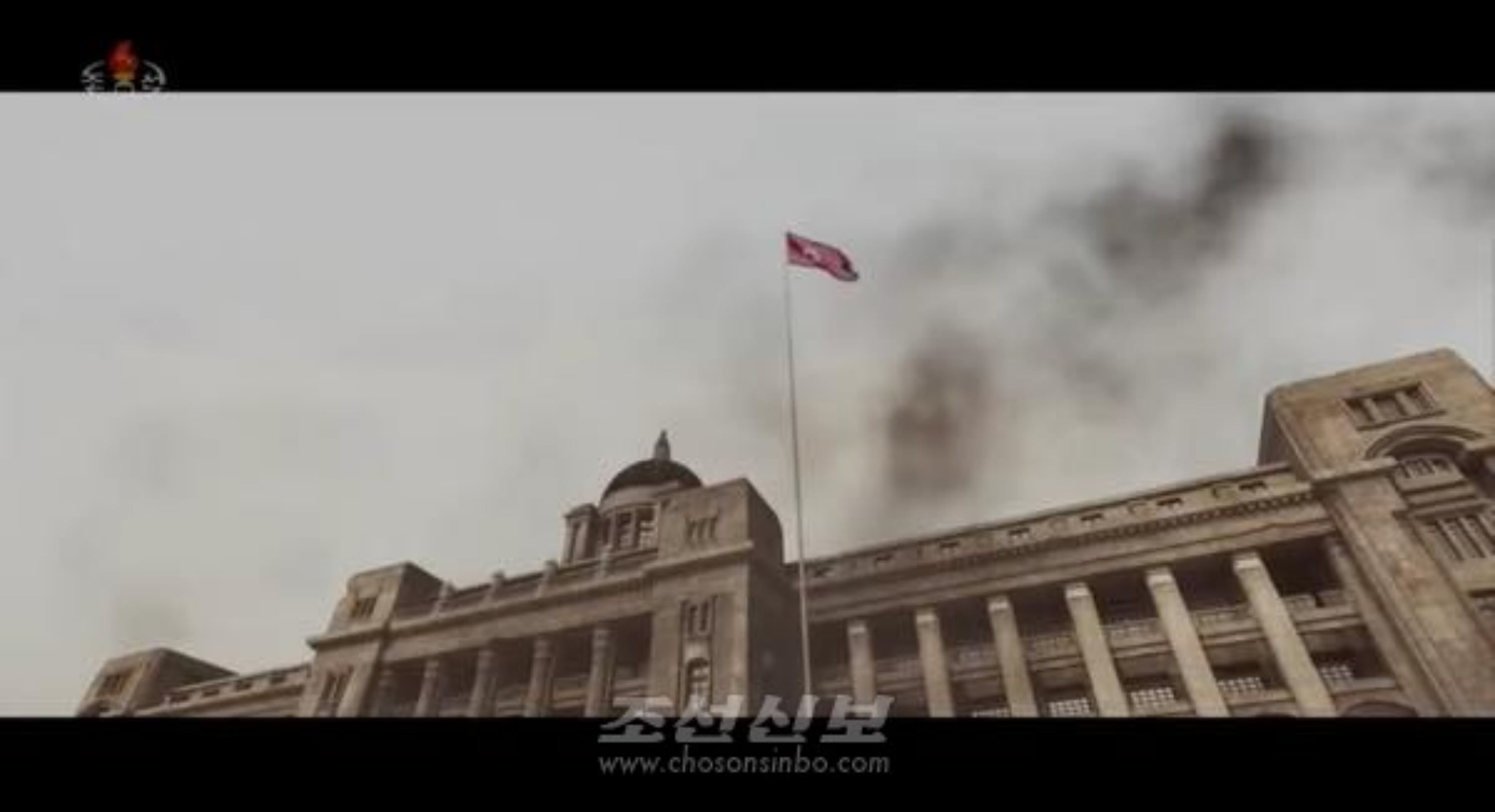
One of the most notable aspects of’72 Hours’is its portrayal of South Korea. The film refers to the country as “South Korea” or “puppet regime” rather than using the traditional term “South Chosun.” It includes scenes where North Korean soldiers tear down the South Korean flag and replace it with the North Korean one after occupying Seoul. This reflects the film’s broader aim to reinforce ideological narratives among North Korean residents.
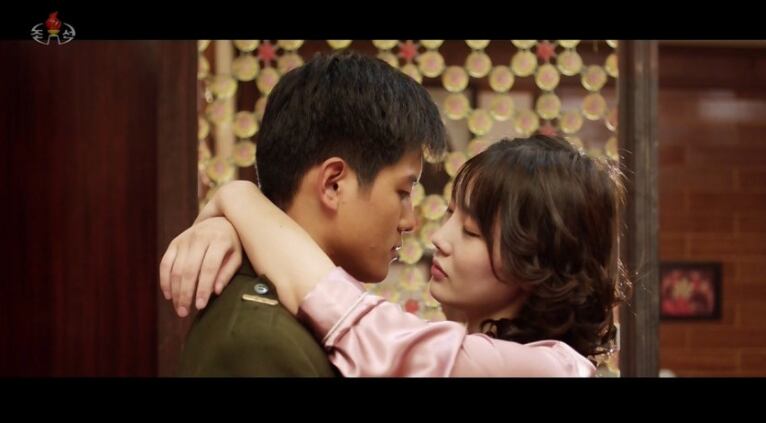
In a rare departure from typical North Korean cinema, the film also features a romantic subplot. The male lead, Choi Hyun, 32, gained popularity for his role in the TV drama’New Spring in Baekhak Valley’. The female lead, Lee Yun-kyung, 20, is a newcomer and a graduate of the Pyongyang Theatre and Film University.
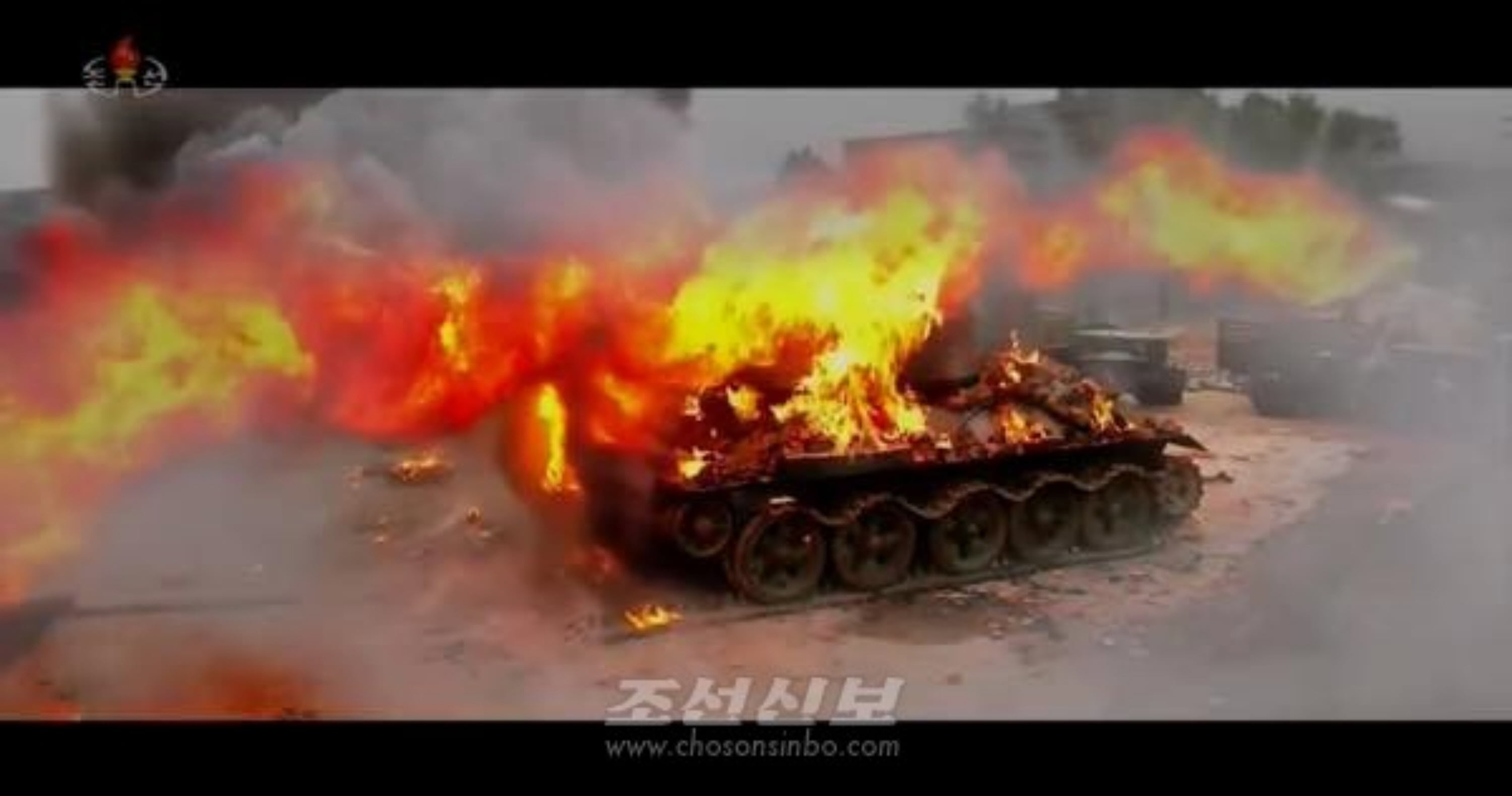
As a war film,’72 Hours’emphasized special effects. Park Guk-cheol, head of the Pyongyang Film Technology Studio’s Special Effects Team, stated that “special effects were applied to one-third of the battle scenes.” The inclusion of these elements, along with romantic subplots, appears to be an effort to appeal to the younger generation, often referred to as the “Market Place generation,” who are familiar with diverse foreign media influences.
Another unique aspect of the film is the appearance of Hong Cheol, the son of James Joseph Dresnok, a U.S. soldier who defected to North Korea in the 1960s. He portrayed a U.S. military character in the film.
According to Radio Free Asia (RFA), a media outlet focused on North Korea, the film was abruptly banned from screening approximately five months after its release. While the exact reason for the ban was not disclosed, a source suggested that the use of the South Korean place name “Seoul” might have been problematic. However, the film resumed airing on state media earlier this year. A source from Yanggang Province mentioned on January 9 that “Residents were astonished when the film, which had been completely banned by central orders, was suddenly broadcast on television to mark the new year.”
Cho Han-beom, a senior researcher at South Korea’s Korea Institute for National Unification, evaluated the film in February as “significantly groundbreaking compared to past North Korean films.” He noted that it incorporates elements similar to capitalist cinema. Cho added, “Every aspect of the film, from its concept to dialogue, was directly guided by Kim Jong-un,” and speculated, “Kim Jong-un’s direct involvement in directing suggests he has been significantly influenced by the Hallyu (Korean Wave).”